- Overview
- How purpose goes beyond profit to include social, environmental, and ethical impact?
- Why modern consumers expect brands to stand for something meaningful?
- why Purpose Drives Business Growth
- 1. Purpose Builds Unshakable Brand Loyalty
- 2. Purpose Differentiates in Crowded Markets
- 3. Purpose Attracts and Retains Talent
- 4. Purpose Unlocks Innovation
- 5. Purpose Strengthens Resilience in Crisis
- 6. Purpose Expands Long-Term Growth Potential
- How Sustainability Builds Trust, Loyalty, and Long-Term Customer Relationships
- The Link Between Purpose-Led Marketing and Revenue Growth
- Impact on Brand Differentiation in Competitive Markets
- How Values Influence Buying Decisions
- Growth of Conscious Consumers and Ethical Purchasing
- Differences Between Gen Z, Millennials, and Older Audiences
- How to Implement Sustainability in Marketing
- Measuring Impact & ROI
- KPIs for Sustainability and Purpose Marketing
- Balancing Purpose with Profitability
- Tools to Track Engagement, Trust, and Brand Equity
- Challenges & Common Mistakes
- 1. The Erosion of Consumer Trust
- 2. The Danger of Vague Language
- 3. Misalignment Between Marketing and Operations
- 4. Short-Term Campaigns vs. Long-Term Commitment
- 5. Ignoring Transparency and Accountability
- 6. Underestimating Consumer Awareness
- 7. Regulatory and Legal Consequences
- Misalignment Between Marketing and Operations
- what future holds of Sustainability & Purpose Marketing
Overview
Sustainability marketing can be understood as the practice of embedding environmental responsibility and long-term ecological awareness into the very fabric of a brand’s identity, ensuring that every campaign, product, and message reflects a commitment to reducing harm and creating positive impact. It is not simply about promoting “green” products; it is about aligning business growth with practices that conserve resources, minimize waste, and contribute to a healthier planet. Purpose-driven branding builds on this foundation by expanding the definition of success beyond financial profit to include social, environmental, and ethical dimensions. A brand with true purpose positions itself as a force for good, championing causes such as climate action, fair labor, diversity, or community empowerment, and weaving these values into its storytelling and consumer engagement. This approach resonates strongly with modern audiences, who increasingly expect companies to stand for something meaningful and authentic. In today’s marketplace, consumers are not just buying products they are buying into values, narratives, and missions. When a brand demonstrates that it is driven by purpose, it creates emotional connections that foster loyalty, trust, and advocacy, transforming marketing from a transactional activity into a platform for meaningful change.

Purpose in marketing is no longer confined to the pursuit of profit; it has evolved into a multidimensional commitment that embraces social, environmental, and ethical impact. On the social front, brands that prioritize purpose are actively working to uplift communities, champion diversity, and foster inclusion. This isn’t about token gestures it’s about creating campaigns and initiatives that genuinely empower people, whether through education, fair wages, or community investment. Such efforts transform a brand into more than a seller of goods; they position it as a partner in progress, one that consumers feel proud to support.
From an environmental perspective, purpose-driven marketing means embedding sustainability into the DNA of a business. Companies are increasingly judged not only by the quality of their products but by the footprint they leave behind. Reducing carbon emissions, adopting renewable energy, and innovating with circular economy models are no longer optional they are expectations. When brands demonstrate a tangible commitment to protecting the planet, they tap into the growing eco-conscious mindset of modern consumers, who want their purchases to reflect their values.

Ethical impact completes the picture, ensuring that integrity and transparency guide every decision. In a marketplace where greenwashing and empty promises are quickly exposed, consumers demand honesty. Ethical branding means fair labor practices, transparent supply chains, and communication that prioritizes truth over spin. This builds trust, the most valuable currency in today’s competitive landscape.
Together, these dimensions social, environmental, and ethical redefine what it means to have purpose. They elevate marketing from a transactional exchange into a narrative of shared values and collective responsibility. Brands that embrace this holistic vision of purpose are not just selling products; they are cultivating loyalty, inspiring advocacy, and shaping a future where business success is inseparable from positive impact.
Why modern consumers expect brands to stand for something meaningful?
1. The Rise of Conscious Consumption
Consumers today are increasingly aware that every purchase is a vote for the kind of world they want to live in. This rise of conscious consumption means people are scrutinizing not just what a product does, but how it is made, packaged, and delivered. They want to know whether a brand is reducing waste, supporting fair trade, or investing in renewable energy. Conscious buyers are motivated by the belief that their choices can drive change, and they gravitate toward brands that make sustainability and responsibility part of their DNA.
2. Trust as the New Currency
In a marketplace flooded with options, trust has become the most valuable currency a brand can hold. Consumers are quick to spot inconsistencies, and they demand transparency about sourcing, labor practices, and environmental impact. A brand that openly shares its challenges alongside its successes demonstrates authenticity, which builds credibility. Trust is no longer earned through clever slogans it is built through consistent, honest action. When consumers believe in a brand’s integrity, they reward it with loyalty that outlasts trends.
3. The Influence of Digital Storytelling
Social media and digital platforms have transformed marketing into a two-way conversation. Consumers now expect to see behind the curtain: the people who make the products, the communities impacted, and the initiatives a brand supports. Purpose-driven storytelling whether through videos, blogs, or interactive campaigns creates emotional resonance that traditional advertising cannot match. When a brand shares its sustainability journey or highlights its social impact, it invites consumers to become part of the narrative, deepening engagement and trust.

4. Generational Shifts in Values
Millennials and Gen Z, who now dominate purchasing power, are reshaping the marketplace with their values-first mindset. These generations prioritize meaning over materialism, often choosing brands that align with their beliefs even if it costs more. They expect companies to take clear stances on issues like climate change, diversity, and human rights. For them, a brand’s silence can be as damaging as a misstep. This generational shift has redefined success: relevance now depends on purpose, not just product quality.
Modern consumers don’t want to be passive buyers; they want to be active participants in change. They expect brands to invite them into the journey, whether through recycling programs, community initiatives, or advocacy campaigns. This shared responsibility transforms marketing into a dialogue, where consumers feel empowered to contribute to a larger mission. When customers see themselves as co-creators of impact, they form deeper emotional bonds with the brand, turning loyalty into advocacy.
6. Purpose as a Driver of Resilience
Brands that embrace purpose are proving more resilient in times of crisis. Whether facing economic downturns, supply chain disruptions, or reputational challenges, companies with a clear social and environmental mission weather storms more effectively. Consumers recognize this resilience and gravitate toward brands that stand for something bigger than profit, seeing them as trustworthy anchors in uncertain times. Purpose-driven companies are not only surviving they are thriving, because their values create stability and inspire confidence.
why Purpose Drives Business Growth
1. Purpose Builds Unshakable Brand Loyalty
When a brand stands for something bigger than profit, it creates emotional connections that go far beyond product features. Consumers don’t just buy the product they buy into the mission. A company that champions sustainability, fairness, or community empowerment becomes part of a customer’s identity, and that loyalty is far more resilient than price-driven choices. In competitive markets, purpose is the glue that keeps customers coming back.
2. Purpose Differentiates in Crowded Markets
In industries where products are similar and competition is fierce, purpose becomes the ultimate differentiator. A sneaker is not just a sneaker if it represents recycled innovation or supports social causes. Purpose-driven branding cuts through the noise, giving consumers a reason to choose one company over another. It transforms commodities into symbols of values, making the brand unforgettable.
3. Purpose Attracts and Retains Talent
Growth isn’t only about customers it’s also about people inside the company. Employees today want to work for organizations that align with their values. A clear purpose inspires teams, fuels creativity, and reduces turnover. When staff feel they are contributing to something meaningful, they become brand ambassadors, driving innovation and delivering better customer experiences. Purpose energizes the workforce, which in turn accelerates growth.

4. Purpose Unlocks Innovation
Brands with a strong mission are more likely to experiment, adapt, and innovate. Purpose acts as a compass, guiding companies to explore new solutions that align with their values whether it’s eco-friendly packaging, ethical supply chains, or community-driven campaigns. This innovation not only meets consumer demand but also opens new revenue streams, proving that purpose and profit can coexist.
5. Purpose Strengthens Resilience in Crisis
When markets face disruption economic downturns, reputational challenges, or global crises brands with a clear purpose weather the storm more effectively. Consumers and stakeholders rally behind companies that stand for something meaningful, seeing them as trustworthy anchors in uncertain times. Purpose-driven businesses don’t just survive crises; they often emerge stronger, because their values provide stability and direction.
6. Purpose Expands Long-Term Growth Potential
Ultimately, purpose is not a short-term marketing tactic it’s a long-term growth strategy. By embedding social, environmental, and ethical impact into their DNA, companies future-proof themselves against shifting consumer expectations and regulatory pressures. Purpose-driven brands build ecosystems of trust, loyalty, and advocacy that compound over time, ensuring sustainable growth in every sense of the word.
How Sustainability Builds Trust, Loyalty, and Long-Term Customer Relationships
Sustainability is more than a buzzword it is the foundation of trust in modern business. When a brand demonstrates genuine commitment to reducing its environmental footprint, consumers see it as a partner in creating a better future. This trust is not built overnight; it grows through consistent actions like transparent reporting, eco-friendly innovations, and ethical supply chains. Over time, sustainability becomes a loyalty driver, as customers feel proud to support a company that reflects their values. These long-term relationships are deeper than transactional exchanges they are emotional bonds rooted in shared responsibility. In a marketplace where trust is fragile, sustainability is the anchor that keeps customers engaged for years to come.
The Link Between Purpose-Led Marketing and Revenue Growth
Purpose-led marketing proves that meaning and money are not opposites but allies. When brands align their campaigns with social, environmental, or ethical missions, they create narratives that resonate far more powerfully than traditional advertising. Consumers reward authenticity with their wallets, choosing to spend more with companies that reflect their values. Studies consistently show that purpose-driven brands outperform competitors in growth and profitability, because they inspire loyalty, advocacy, and repeat purchases. Revenue growth in this context is not accidental it is the direct result of connecting with consumers on a deeper level, turning values into value. Purpose-led marketing transforms profit into proof that doing good is also good business.
Impact on Brand Differentiation in Competitive Markets
In crowded markets where products often look and feel the same, purpose becomes the ultimate differentiator. A sneaker made from recycled materials, a beauty brand that champions inclusivity, or a food company that invests in sustainable farming all stand out because they represent more than just utility. Purpose-driven differentiation cuts through the noise, giving consumers a reason to choose one brand over another. It elevates products into symbols of values, making them memorable and meaningful. In competitive landscapes, where price wars and features blur together, sustainability and purpose carve out unique identities that competitors cannot easily replicate. This differentiation is not just marketing it is a long-term strategy for relevance and resilience.
How Values Influence Buying Decisions
Modern consumers are no longer guided solely by price or convenience; values have become a powerful driver of purchasing behavior. Shoppers increasingly ask whether a brand’s practices align with their personal beliefs whether that means supporting sustainability, championing diversity, or ensuring ethical labor. A purchase today is not just a transaction; it is a statement of identity. When consumers feel that a brand reflects their values, they are more likely to develop loyalty and even advocacy, turning everyday buying decisions into acts of self-expression and social alignment.
Growth of Conscious Consumers and Ethical Purchasing
The rise of conscious consumers has transformed the marketplace into a stage for ethical decision-making. These buyers actively seek out companies that prioritize eco-friendly production, fair trade, and transparent supply chains. Ethical purchasing is no longer niche it is mainstream, with entire industries reshaping themselves to meet this demand. From fashion brands embracing circular economy models to food companies investing in sustainable farming, the growth of conscious consumption signals a cultural shift: people want their money to fuel positive impact. This trend is not a passing fad but a long-term movement that is redefining what success looks like in business.
Differences Between Gen Z, Millennials, and Older Audiences
Generational differences add nuance to these trends, shaping how values translate into buying behavior. Gen Z, digital natives with strong activist leanings, expect brands to take bold stances on social and environmental issues. They are quick to call out greenwashing and reward authenticity with loyalty. Millennials, while equally value-driven, often balance purpose with practicality, seeking brands that combine ethical practices with affordability and convenience. Older audiences, meanwhile, may prioritize trust and reliability but are increasingly influenced by the values of younger generations, especially when it comes to sustainability. Together, these groups create a dynamic marketplace where purpose-driven branding must adapt to diverse expectations while maintaining authenticity across all demographics.

How to Implement Sustainability in Marketing
Aligning Brand Purpose with Company Values
True sustainability in marketing begins with alignment. A brand’s purpose must reflect the company’s core values, not just surface-level campaigns. When sustainability is woven into the DNA of the business whether through ethical sourcing, community investment, or environmental stewardship it becomes authentic and believable. Consumers can sense when a brand’s purpose is genuine versus when it is manufactured for publicity. Aligning purpose with values ensures that every initiative, from product design to advertising, feels consistent and credible. This alignment builds trust, because customers see that the brand is not just talking about sustainability it is living it.
Integrating Sustainability into Storytelling and Messaging
Storytelling is the heartbeat of marketing, and sustainability offers powerful narratives that resonate with audiences. Instead of treating eco-friendly practices as a footnote, brands should make them central to their messaging. Sharing stories about reducing carbon footprints, empowering local communities, or innovating with recycled materials transforms sustainability from a technical detail into an emotional journey. These stories humanize the brand, showing the people, challenges, and impact behind the initiatives. When sustainability is integrated into storytelling, it inspires consumers to feel part of something larger than themselves, turning everyday purchases into acts of purpose.

Using Transparent Communication to Avoid Greenwashing
Transparency is the safeguard against skepticism. In an era where consumers are quick to call out greenwashing, brands must communicate sustainability efforts with honesty and clarity. This means sharing measurable goals, progress reports, and even acknowledging areas where improvement is still needed. Transparent communication builds credibility because it shows humility and accountability. Instead of vague claims like “eco-friendly” or “green,” brands should provide specifics such as percentages of recycled materials used or emissions reduced. By being open and precise, companies avoid the trap of overpromising and underdelivering, and instead cultivate trust that strengthens long-term relationships.
Measuring Impact & ROI
KPIs for Sustainability and Purpose Marketing
Measuring the success of sustainability and purpose-driven marketing requires more than traditional sales metrics. Key performance indicators (KPIs) must capture both impact and influence. This means tracking reductions in carbon emissions, percentages of recycled materials used, or the number of community initiatives supported. But it also includes softer measures like consumer sentiment, brand trust, and advocacy. When companies set clear sustainability KPIs, they transform purpose from a vague promise into measurable progress. These metrics not only prove authenticity to consumers but also provide internal benchmarks that guide future strategy, ensuring that sustainability is embedded in long-term growth.
Balancing Purpose with Profitability
One of the greatest challenges for modern marketers is striking the balance between purpose and profitability. Purpose-led initiatives must be financially sustainable to endure, and profitability must be pursued without compromising values. The key lies in positioning sustainability as a value-add rather than a cost burden. Eco-friendly products can be marketed as premium offerings, while ethical practices can become a source of differentiation that drives consumer loyalty. When brands balance purpose with profit, they demonstrate that doing good is not a distraction from business success—it is a driver of it. This balance reassures stakeholders that sustainability is not charity, but a strategic investment in resilience and relevance.
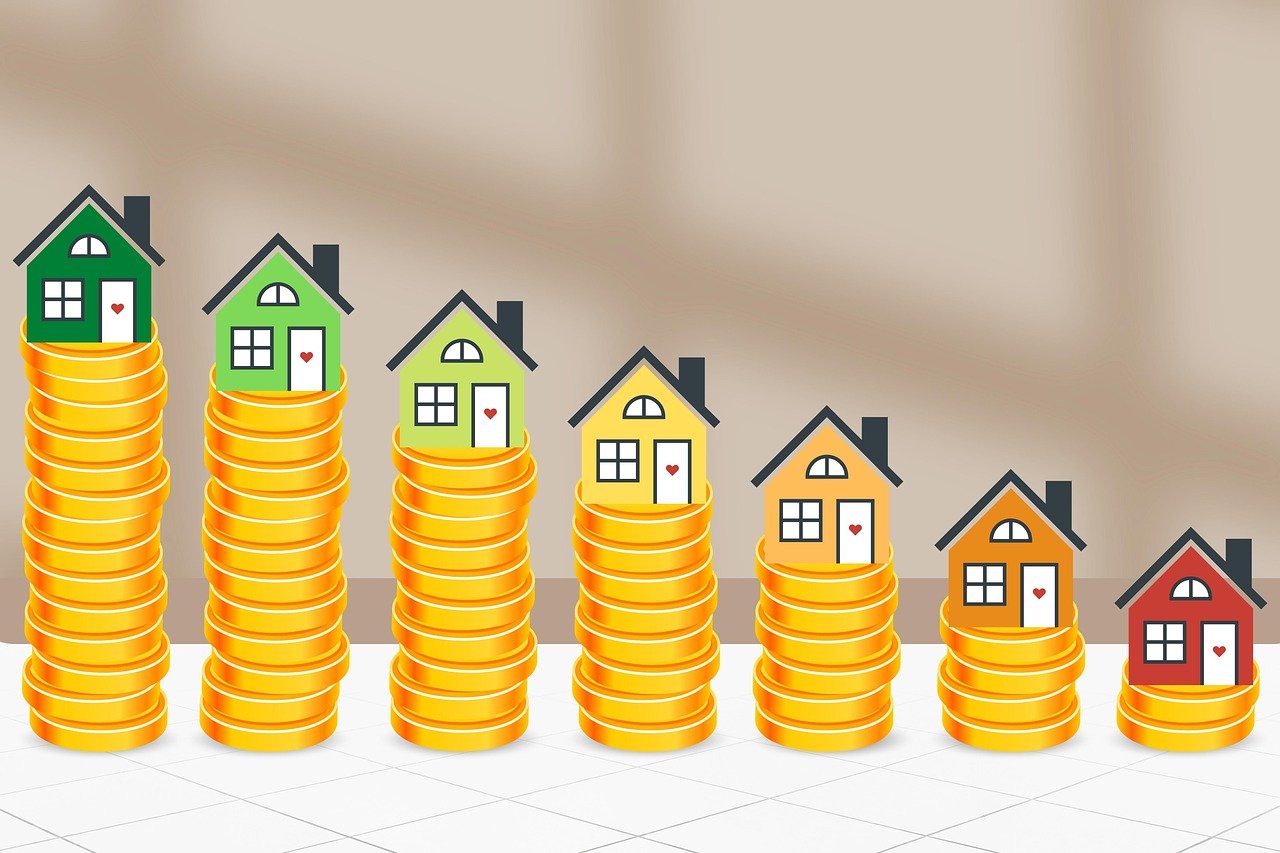
Tools to Track Engagement, Trust, and Brand Equity
To measure the ROI of purpose-driven marketing, brands must go beyond financial spreadsheets and embrace tools that capture intangible value. Social listening platforms can track consumer conversations around sustainability, revealing how campaigns resonate emotionally. Surveys and sentiment analysis help quantify trust, while brand equity studies measure how purpose influences long-term perception. Digital analytics can also monitor engagement with sustainability-focused content, from click-through rates to community participation. Together, these tools provide a holistic view of impact, showing not just how much revenue is generated, but how much trust, loyalty, and equity are built. In today’s marketplace, these intangible assets are often the most powerful indicators of future growth.
Challenges & Common Mistakes
Greenwashing risks and how to avoid them
1. The Erosion of Consumer Trust
Greenwashing is the fastest way to lose credibility. When brands exaggerate or misrepresent their sustainability efforts, consumers feel deceived. Trust, once broken, is incredibly difficult to rebuild. In today’s transparent marketplace, where information spreads instantly, even small missteps can damage reputation for years. Avoiding this risk requires honesty and consistency brands must prove their claims with evidence rather than empty slogans.
2. The Danger of Vague Language
Terms like “eco-friendly” or “green” sound appealing but mean little without context. Vague language is a hallmark of greenwashing, leaving consumers skeptical and regulators alert. To avoid this trap, companies should use precise, measurable language such as stating the percentage of recycled materials used or the exact reduction in emissions achieved. Specificity transforms marketing from spin into substance.
3. Misalignment Between Marketing and Operations
One of the most common risks is when marketing campaigns promise sustainability that the company’s operations cannot deliver. For example, promoting recyclable packaging while relying on unsustainable supply chains creates a disconnect that consumers quickly notice. The solution is integration: sustainability must be embedded across operations, not just in advertising. When marketing and operations align, authenticity shines through.
4. Short-Term Campaigns vs. Long-Term Commitment
Greenwashing often occurs when sustainability is treated as a temporary trend rather than a long-term strategy. Short-lived campaigns that disappear after a season leave consumers questioning authenticity. Avoiding this risk means embedding sustainability into the brand’s DNA, with ongoing initiatives, regular updates, and evolving goals. Long-term commitment proves that sustainability is more than a marketing tactic it’s a core value.

5. Ignoring Transparency and Accountability
Consumers today expect brands to share not only successes but also challenges. Greenwashing thrives when companies hide behind polished campaigns without acknowledging areas for improvement. Transparency builds credibility, even when progress is imperfect. By publishing sustainability reports, setting clear KPIs, and openly discussing setbacks, brands show accountability and earn respect for their honesty.
6. Underestimating Consumer Awareness
Modern audiences are highly informed, with access to data, watchdog reports, and social media conversations. Brands that underestimate this awareness risk being exposed quickly. Greenwashing is no longer easy to hide consumers actively research and compare claims. To avoid this, companies must respect consumer intelligence, providing verifiable proof and third-party certifications that validate their sustainability efforts.
7. Regulatory and Legal Consequences
Beyond reputational damage, greenwashing can lead to legal penalties. Governments and regulators are increasingly cracking down on misleading environmental claims, holding companies accountable for false advertising. The risk is not just consumer backlash but financial and legal repercussions. Avoiding this requires compliance with standards, adherence to guidelines, and proactive engagement with regulators to ensure claims are accurate and defensible.
Misalignment Between Marketing and Operations
One of the most common pitfalls in sustainability and purpose-driven marketing is when the promises made in campaigns do not match the reality of a company’s operations. Marketing may highlight eco-friendly packaging or ethical sourcing, but if the supply chain still relies on unsustainable practices, consumers quickly notice the disconnect. This gap between words and actions erodes credibility and leaves audiences skeptical about whether the brand truly stands for what it claims.
The danger of misalignment is that it undermines trust at its core. Modern consumers are highly informed, with access to data, watchdog reports, and social media conversations that expose inconsistencies. A single mismatch between marketing claims and operational behavior can spark accusations of greenwashing, damaging reputation and weakening customer loyalty. In today’s transparent marketplace, authenticity is non-negotiable.
To avoid this risk, sustainability must be integrated across the entire business model, not just the marketing department. Operations, product design, logistics, and even employee culture should reflect the values being promoted. When marketing and operations are aligned, every consumer touchpoint reinforces the brand’s purpose, creating consistency and credibility. This alignment ensures that sustainability is not just a message it is a lived reality that customers can trust.
what future holds of Sustainability & Purpose Marketing
Purpose Becoming the New Standard
The future of sustainability and purpose marketing will see purpose shift from being a differentiator to becoming the baseline expectation. Consumers will no longer applaud brands simply for being “green” or “ethical” they will demand it as the minimum standard. Companies that fail to embed sustainability into their DNA risk being left behind, while those that lead with purpose will set the tone for entire industries. Purpose will become the default language of business.
Full Integration Across Business Models
Marketing will no longer be able to operate in isolation from operations. The future demands consistency, where every touchpoint from product design to packaging, logistics, and employee culture reflects the brand’s values. Sustainability will be integrated across the entire business model, and marketing will evolve into a mirror of operational reality, showcasing not just promises but measurable progress. Authenticity will be the currency of trust.
Storytelling That Invites Participation
The next wave of purpose marketing will be participatory. Instead of polished campaigns that tell consumers what a brand is doing, companies will invite audiences into the journey sharing challenges, milestones, and opportunities for collaboration. Storytelling will become transparent and immersive, inspiring consumers to feel part of something larger than themselves. This deeper engagement will transform customers into co-creators of impact.

Data-Driven Proof of Impact
The future will demand proof, not promises. Consumers, regulators, and investors will expect brands to publish clear KPIs, sustainability reports, and third-party certifications. Marketing will increasingly rely on measurable outcomes carbon reductions, diversity metrics, or community investments to demonstrate authenticity. Data-driven accountability will separate genuine leaders from those who merely talk the talk, making transparency a competitive advantage.
Generational Pressure and Digital Activism
Gen Z and Millennials will continue to drive the demand for purpose, using digital platforms to amplify their voices and hold brands accountable. Social media activism will make transparency unavoidable, as consumers share, critique, and celebrate brand actions in real time. The future marketplace will be shaped by these generations’ insistence on authenticity, forcing companies to adapt quickly or risk being called out.
Purpose as a Growth Engine
Ultimately, sustainability and purpose will evolve from being “nice-to-have” strategies into core drivers of growth. Brands that embed values into their business models will unlock new markets, attract loyal customers, and retain top talent. Purpose will not be a distraction from profit it will be the engine that fuels resilience, innovation, and long-term success. The companies that thrive will be those that prove that doing good and doing well are inseparable.
The Bottom Line and Call to Action
The future of marketing is being rewritten by sustainability and purpose. What once seemed like optional strategies or niche differentiators have now become the foundation of trust, loyalty, and long-term relevance. Modern consumers are no longer satisfied with clever slogans or polished campaigns; they want proof that the brands they support are actively contributing to a better world. This means that sustainability and purpose are not just about optics they are about embedding values into the very DNA of a business. Companies that fail to adapt risk being seen as outdated or insincere, while those that embrace authenticity, transparency, and measurable impact will thrive. The bottom line is clear: sustainability and purpose are not distractions from profit, they are the engines of growth, resilience, and differentiation in an increasingly competitive marketplace.
For businesses, the time to act is now. The shift toward conscious consumption is accelerating, and waiting on the sidelines is no longer an option. Brands must begin by auditing their values and ensuring they align with operations, not just marketing. Sustainability should be integrated into product design, supply chains, and corporate culture, while purpose should be communicated through authentic storytelling that invites consumers into the journey. Transparency is key share progress, admit challenges, and provide measurable proof of impact. By doing so, companies not only avoid the risks of greenwashing but also build credibility that strengthens long-term relationships. Purpose-driven marketing is not a campaign to be launched and forgotten; it is a commitment to shaping a future where business success and positive impact go hand in hand. The call to action is simple yet urgent: embed sustainability, embrace authenticity, and lead with purpose. Those who do will not only win customers they will win trust, loyalty, and a lasting place in the hearts of their audiences.