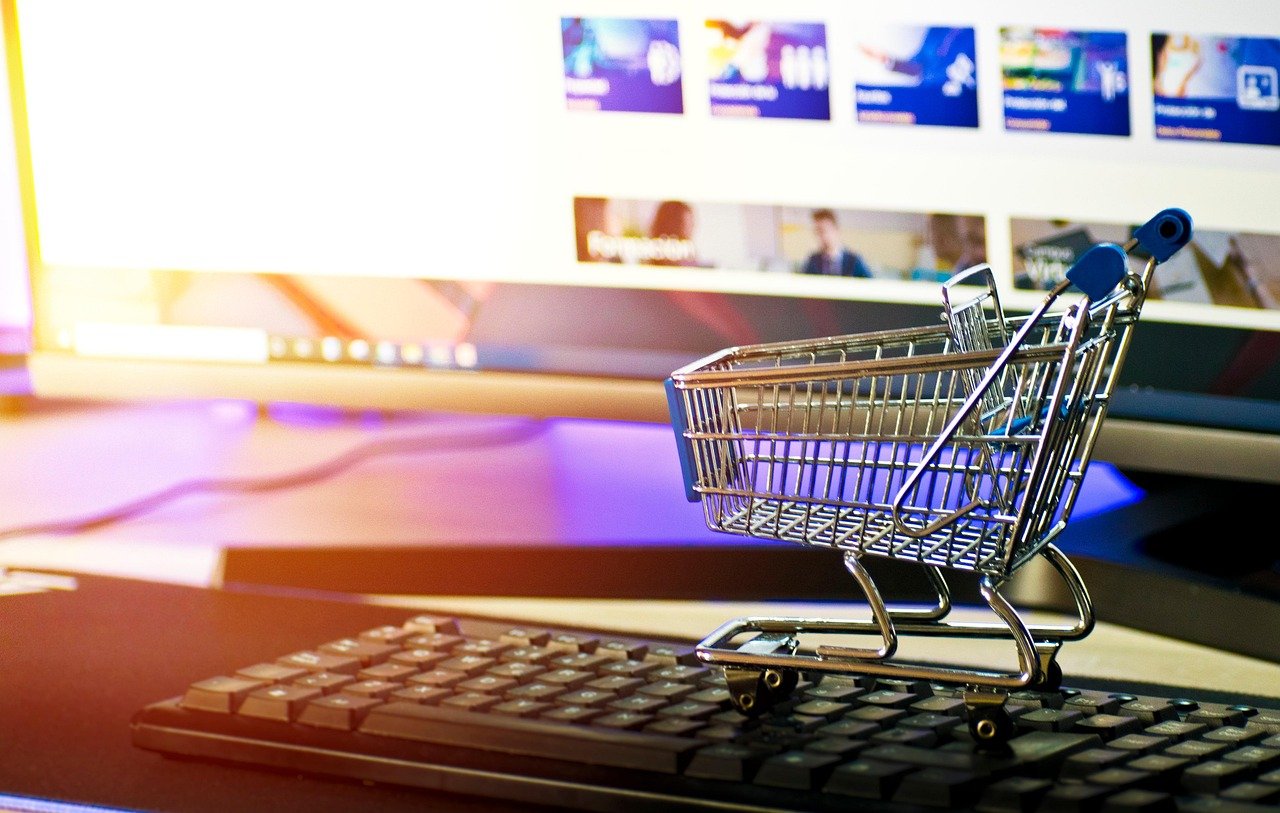
What Is E-Commerce?
E-commerce, short for electronic commerce, is the process of buying and selling goods or services over the internet. It’s one of the biggest transformations in the history of business, changing how people shop, how companies operate, and even how the global economy functions.
At its core, e-commerce allows businesses and consumers to connect digitally. Instead of walking into a physical store, a customer can visit a website or an app, browse products, read reviews, make payments securely, and have items delivered right to their doorstep — all without ever leaving home. This convenience is what has made e-commerce one of the fastest-growing industries in the world.
E-commerce isn’t limited to physical products. It also includes digital goods (like e-books, music, or online courses), services (like consulting or design), and even subscriptions (such as Netflix or meal kits). Essentially, if something can be bought or sold online, it falls under the umbrella of e-commerce.
One of the key advantages of e-commerce is that it removes geographical barriers. A small business in Kenya can sell handcrafted jewelry to a customer in the United States or Europe. Similarly, a freelancer can offer digital marketing services to clients anywhere in the world. This global accessibility has opened doors for countless entrepreneurs who might never have reached an international audience otherwise.
Another major element of e-commerce is convenience and personalization. Online platforms use data analytics to understand customers’ behaviors such as what they view, buy, or search for and use this information to recommend products tailored to their preferences. This makes the shopping experience faster, smarter, and more enjoyable.
E-commerce can take many forms, including retail websites, online marketplaces (like Amazon, Alibaba, and eBay), social media stores, and even mobile apps. The rise of smartphones has especially fueled mobile commerce, or m-commerce, allowing people to shop from anywhere at any time.
In today’s digital world, e-commerce isn’t just an alternative to traditional shopping it’s becoming the new normal. From groceries to fashion to technology, nearly every industry has embraced online sales in some form. And as technology continues to evolve, e-commerce is expected to become even more interactive, secure, and personalized.
Simply put, e-commerce is the digital heartbeat of modern business connecting buyers and sellers in ways that were once unimaginable. It has reshaped how we think about convenience, choice, and global opportunity.

The Evolution of E-Commerce
The story of e-commerce is one of innovation, convenience, and technology reshaping the way we live and do business. What started as a simple idea to make buying and selling easier through computers has grown into a trillion-dollar global industry that touches nearly every aspect of modern life.
The Early Days (1970s – 1990s): The Beginning of Online Transactions
The roots of e-commerce can be traced back to the 1970s, long before the internet as we know it existed. Businesses started experimenting with Electronic Data Interchange (EDI) a system that allowed companies to exchange documents like invoices and purchase orders digitally. This laid the foundation for future online transactions.
hen came the 1990s, which marked the true birth of e-commerce. The introduction of the World Wide Web made it possible for ordinary consumers to connect online. In 1994, a company called Netscape launched one of the first secure online payment systems, which gave people the confidence to use their credit cards over the internet. That same year, the first online retail transaction was made.
The 2000s: The Rise of Online Retail and Payment Systems
The early 2000s were a turning point for e-commerce. With the dot-com boom, more businesses realized the potential of the internet as a marketplace. Secure online payment systems like PayPal became popular, making transactions faster and safer for both buyers and sellers.
During this time, large retailers such as Walmart and Best Buy also began launching their online stores. Shopping online was no longer just for tech enthusiasts it was becoming mainstream.
The 2010s: The Mobile and Social Media Revolution
The 2010s changed everything again. Smartphones became a part of everyday life, and mobile apps made online shopping easier than ever. This gave rise to mobile commerce (m-commerce) shopping through phones and tablets. People could browse, compare, and buy products from anywhere with just a few taps.
Social media also became a powerful tool for e-commerce. Platforms like Facebook, Instagram, and Pinterest introduced “Shop Now” features, turning social feeds into virtual storefronts. Influencers began shaping shopping trends, and user-generated content became a new form of advertising.
The 2020s: E-Commerce Becomes a Way of Life
The 2020s took e-commerce to an entirely new level, especially after the COVID-19 pandemic. Lockdowns forced physical stores to close, and consumers turned to online shopping like never before. This accelerated e-commerce growth by several years almost overnight.
Groceries, medicines, clothes, electronics, and even cars began to be sold online. Delivery services, digital wallets, and contactless payments became part of daily life. Companies that once relied only on physical stores quickly shifted online to survive. Today, e-commerce is no longer just a shopping method it’s an essential part of the global economy. With technologies like artificial intelligence (AI), augmented reality (AR), chatbots, and automation, the online shopping experience continues to evolve. AI helps brands recommend products based on personal preferences, while AR lets customers virtually “try on” clothes or visualize furniture in their homes before buying.
Types of E-Commerce
E-commerce isn’t a one-size-fits-all model it comes in different forms, each designed to meet the unique needs of businesses and consumers. Understanding these types helps you see how online transactions work across various industries and audiences.
Let’s have look the main types of e-commerce:
Business-to-Consumer (B2C)
This is the most common and recognizable form of e-commerce. In the B2C model, businesses sell products or services directly to individual customers through online platforms. Think of online stores like Amazon, Zara, or Apple’s website — these are classic examples of B2C. A customer visits the website, browses the catalog, adds products to the cart, pays online, and waits for delivery.
B2C e-commerce focuses heavily on customer experience, marketing, and brand loyalty. Companies use data analytics, social media, and digital ads to attract and retain customers. The goal is simple: make shopping as easy, fast, and enjoyable as possible.B2C businesses often deal with large volumes of small transactions, which means offering competitive prices, fast delivery, and great customer support is key to success.
Business-to-Business (B2B)
In a B2B model, companies sell goods or services to other businesses rather than individual consumers. These transactions are usually larger and more complex. For example, a manufacturer might sell parts to another company that assembles finished products, or a wholesaler might supply goods in bulk to a retailer. Popular B2B platforms include Alibaba, Thomas-Net, and Amazon Business. B2B e-commerce emphasizes long-term relationships, bulk orders, and contract-based pricing. Unlike B2C, the decision-making process in B2B often involves multiple people and longer negotiation cycles.
Consumer-to-Consumer (C2C)
The C2C model allows individuals to sell products or services directly to other consumers, usually through a third-party platform that facilitates the exchange. Websites like eBay, Etsy, Facebook Marketplace, and Posh-mark are great examples. Here, anyone can list items for sale from handmade crafts to used electronics and buyers can purchase directly from them. C2C e-commerce is built on trust and peer-to-peer interaction. The platform usually handles payments, ratings, and dispute resolution to ensure safe and smooth transactions. This model has given rise to the second-hand economy and resale culture, where people can recycle and resell items instead of discarding them. It’s not only profitable but also environmentally friendly.
Consumer-to-Business (C2B)
In a C2B model, the traditional buying process is reversed-individuals offer products or services to companies. For instance, a freelance designer might create a logo for a business through a site like Upwork or Fiverr, or an influencer might collaborate with a brand to promote products in exchange for payment. C2B e-commerce is growing rapidly, especially in the gig economy. It allows individuals to monetize their skills, creativity, or influence while giving businesses access to flexible, on-demand talent. This model works best in industries like marketing, content creation, design, photography, and software development where personal expertise adds value to companies.
Business-to-Government (B2G) (Sometimes called B2A)
In the B2G model, businesses provide products or services to government agencies or public organizations. These could include supplying office equipment, offering IT solutions, or managing infrastructure projects. For example, a tech company might sell software to a local government, or a construction firm might handle a public works contract. While B2G transactions often involve strict regulations and bidding processes, e-commerce platforms have made them more transparent and accessible through digital procurement systems.
Government-to-Citizen (G2C) (Bonus category)
Although not traditionally included in business-focused e-commerce, G2C is worth mentioning. Here, governments use online platforms to offer services directly to citizens such as paying taxes, applying for licenses, or accessing public information. These systems make it easier for people to interact with the government without visiting physical offices, saving time and improving convenience.
Benefits of E-Commerce
The rise of e-commerce has completely transformed the way people buy, sell, and interact with businesses. Its benefits extend far beyond simple convenience it has reshaped entire industries, empowered entrepreneurs, and changed customer expectations forever.
One of the biggest advantages of e-commerce is accessibility. Unlike traditional stores that are limited by location and opening hours, online businesses operate 24/7, allowing customers to shop whenever they want, from wherever they are. Whether someone is on their phone at midnight or browsing on a lunch break, e-commerce provides instant access to products and services around the clock. This flexibility has made shopping more inclusive and aligned with the modern lifestyle.
Another major benefit is global reach. A small local business can now connect with international customers without the need for physical expansion. The internet removes geographical barriers, enabling even startups to compete on a global scale. This has opened up enormous opportunities for entrepreneurs and small brands that once could only dream of reaching such wide audiences.
E-commerce also offers cost efficiency for both businesses and consumers. For businesses, operating an online store often costs less than maintaining a physical shop. There’s no need to pay for rent, utilities, or large staff numbers. These savings can then be passed on to consumers in the form of better prices and discounts, creating a win-win situation for both sides.
Beyond convenience and savings, e-commerce is built on personalization and data-driven experiences. Online platforms use technology and analytics to understand what customers want from browsing habits to purchase history and tailor recommendations accordingly. This makes shopping faster, more relevant, and even enjoyable. Unlike traditional retail, where a store can only offer limited guidance, e-commerce provides a personalized journey for every individual.
E-commerce also encourages innovation and business growth. Companies constantly adopt new technologies from artificial intelligence to chatbots and automation to improve user experience. These tools not only streamline operations but also help businesses respond faster to customer needs. The result is a more efficient, connected, and customer-focused ecosystem.
Finally, e-commerce promotes inclusivity and entrepreneurship. It has lowered the barrier to entry for anyone with a product, skill, or idea. With just a website or social media page, individuals can start a business and reach customers worldwide. This democratization of commerce has given rise to a new generation of independent sellers, creators, and small brands who are redefining what it means to do business.
In essence, the benefits of e-commerce go far beyond online shopping. It represents freedom the freedom to buy, sell, and connect without limits. It’s about creating opportunities, building relationships, and driving innovation in ways that traditional commerce could never achieve. As technology continues to evolve, e-commerce will only grow stronger, more efficient, and more deeply integrated into our daily lives.
Challenges of E-Commerce
While e-commerce has revolutionized the business world, it’s not without its challenges. Behind the convenience and global reach lies a highly competitive and constantly evolving environment that demands strategy, innovation, and trust. For many businesses, the journey to success in the digital marketplace can be as demanding as it is rewarding.
One of the biggest challenges is intense competition. The online world gives every business big or small the opportunity to sell products globally. While this creates enormous potential, it also means millions of brands are fighting for the same audience. Standing out requires more than just having a website; it takes a strong digital presence, consistent branding, and smart marketing strategies like SEO, paid ads, and social media engagement. Without these, even great products can get lost in the noise.
Another major concern is building customer trust. In traditional shopping, customers can see, touch, and test products before buying. Online, they rely only on images, descriptions, and reviews. This gap often creates hesitation, especially for new brands that don’t yet have a solid reputation. A single negative review, poor delivery experience, or unclear return policy can easily drive potential buyers away. Establishing credibility through secure payments, transparent policies, and responsive customer service has therefore become essential.
Cybersecurity is another growing issue. As e-commerce transactions depend on sensitive data like credit card details and personal information, online stores become prime targets for hackers and scams. Protecting this data requires strong encryption, updated systems, and continuous monitoring something many small businesses struggle to manage. Customers today are more aware of these risks, and one data breach can severely damage a brand’s image and trustworthiness.
Logistics and delivery also pose major challenges. Customers expect fast, reliable, and affordable shipping often within a day or two. However, managing inventory, coordinating suppliers, and handling last-mile delivery can be complex and costly, especially for businesses operating across borders. Delays, damaged products, or high shipping fees can quickly lead to customer dissatisfaction.
Additionally, changing consumer behavior adds another layer of difficulty. Shoppers today are more informed and selective. They compare prices instantly, read reviews, and expect personalized experiences. E-commerce businesses must keep up with these evolving expectations by offering smooth website navigation, responsive design, secure checkout, and excellent after-sales service. Failing to adapt can result in losing loyal customers to more innovative competitors.
Lastly, the digital marketplace is constantly evolving, with new technologies, trends, and platforms emerging every year. From AI-powered personalization to social commerce and augmented reality shopping, staying up to date requires continuous learning and investment. For small businesses, this can feel overwhelming, especially when balancing costs with growth.
Despite these challenges, e-commerce continues to thrive because of its adaptability. Every obstacle has inspired new solutions better payment systems, smarter marketing tools, faster delivery methods, and stronger customer engagement strategies. The key for any business is to view these challenges not as roadblocks, but as opportunities to grow, innovate, and build deeper connections with their audience.
The Future of E-Commerce
The future of e-commerce is bright, dynamic, and filled with innovation. What began as a simple way to shop online has evolved into an essential part of daily life and the journey is far from over. As technology continues to advance and consumer expectations rise, e-commerce is set to become even more intelligent, immersive, and personalized than ever before.
One of the most exciting shifts shaping the future of e-commerce is the integration of artificial intelligence (AI). AI is transforming how businesses understand and serve their customers. From personalized product recommendations to predictive shopping experiences, AI helps companies anticipate what shoppers want before they even search for it. Chatbots powered by AI now offer instant customer support, while machine learning tools analyze data to improve marketing, pricing, and inventory decisions. This level of automation allows businesses to operate more efficiently while creating smoother, more tailored experiences for consumers.
Another major trend is the rise of augmented reality (AR) and virtual reality (VR). These technologies are bridging the gap between physical and digital shopping. Customers can now “try on” clothes virtually, see how furniture fits into their homes, or preview makeup shades on their own faces all from a mobile device. This interactive experience not only builds trust but also reduces returns and enhances satisfaction. It brings the personal touch of in-store shopping to the online world.
The future of e-commerce will also be shaped by mobile commerce (m-commerce). As smartphones become more powerful and accessible, shopping through mobile apps and social media platforms continues to grow. People want convenience, and the ability to make purchases instantly from a phone without switching between multiple apps is redefining the shopping journey. Social commerce, where users buy directly through platforms like Instagram, TikTok, or Facebook, is expected to dominate the next decade.
Another key focus will be sustainability and ethics. Consumers today are more conscious of how their purchases impact the planet. They want brands that use eco-friendly packaging, support fair trade, and minimize carbon emissions in shipping. As a result, future e-commerce success won’t depend only on convenience and price, but also on transparency and responsibility. Businesses that align with these values will build stronger, longer-lasting relationships with their audiences.
Moreover, the future will see e-commerce becoming more inclusive and global. Improved logistics, better internet access, and digital payment systems are connecting developing regions to the global marketplace. This means more small businesses, artisans, and creators will have the tools to reach international buyers. E-commerce is gradually leveling the playing field, turning local sellers into global entrepreneurs.
Security and trust will also continue to play a critical role. As digital transactions grow, protecting customer data will be a top priority. Blockchain technology and advanced encryption methods are expected to make online payments even safer and more transparent, strengthening consumer confidence in online shopping.
Ultimately, the future of e-commerce is not just about technology it’s about experience. It’s about making shopping more human, more personal, and more connected. We’re moving toward a world where e-commerce understands us our needs, preferences, and lifestyles and responds instantly. The businesses that succeed in this future will be those that combine innovation with empathy, using technology not just to sell, but to build meaningful connections with people.
In the coming years, e-commerce will continue to blur the lines between the digital and physical worlds. From AI-driven stores to voice shopping and same-day drone deliveries, the possibilities are endless. What remains clear is that e-commerce isn’t just evolving it’s becoming the foundation of how we live, shop, and engage with the world.
Conclusion: The Digital Marketplace Revolution
E-commerce has come a long way from being a simple idea to becoming one of the strongest pillars of the global economy. It has transformed the way we buy, sell, and connect turning the entire world into one digital marketplace. What once required physical stores, long queues, and limited choices can now be done in seconds with just a tap or a click.
But beyond the technology and convenience, the true power of e-commerce lies in the freedom and opportunity it creates. It gives small business owners the chance to reach global customers, allows shoppers to find exactly what they need from anywhere, and empowers creative individuals to turn their passions into businesses. It’s a world where innovation meets accessibility where anyone with an internet connection can become part of the global economy.
Of course, challenges still exist from competition and logistics to trust and cybersecurity. Yet, these very challenges push e-commerce to keep evolving, improving, and finding smarter ways to serve people. Every year, the digital marketplace becomes more secure, more personalized, and more human-centered.
E-commerce is not just the future of business it’s the present reality of how the world connects and grows. It represents creativity, adaptability, and progress. Whether you’re a consumer, an entrepreneur, or a dreamer with an idea, e-commerce offers limitless potential to build, share, and thrive in the digital age. In the end, e-commerce isn’t just changing how we shop it’s changing how we live, communicate, and imagine the future. The digital marketplace is open to everyone, and its possibilities are only just beginning.