- Overview
- 1. The Explosive Growth of E‑Commerce
- 2. Social Commerce: The New Frontier
- Why Social Commerce Is Growing Fast
- 3. What Experts Are Saying
- 1. “Commerce Is Becoming More Participatory” Harley Finkelstein, President of Shopify
- 2. “Personalization Will Define the Next Decade of Retail” Meta Commerce Insights
- 3. “Social Commerce Could Reach $2 Trillion by 2025” McKinsey Analysts
- 4. “Creators Are the New Brands” Influencer Marketing Experts
- 5. “Short‑Form Video Is the Most Powerful Discovery Tool of Our Time” Digital Marketing Strategists
- 6. “The Future of Retail Is Hybrid” Global Retail Analysts
- 4. Actionable Strategies for Businesses
- 1. Optimize for Mobile‑First Shopping
- 2. Build a Social Commerce Ecosystem, Not Just a Presence
- 3. Partner With Creators Who Feel Like Extensions of Your Brand
- 4. Invest in Short‑Form Video as a Core Content Strategy
- 5. Personalize Every Step of the Customer Journey
- 6. Streamline Fulfillment and Customer Support
- 7. Encourage User‑Generated Content to Build Social Proof
- 8. Experiment With Live Shopping to Drive Real‑Time Engagement
- Real‑World Success Stories
- The Bottom Line & Call to Action
Overview
The world of commerce is undergoing one of the most profound transformations in modern business history. What once required physical storefronts, foot traffic, and traditional advertising has evolved into a digital-first ecosystem where e‑commerce and social commerce dominate the customer journey. Today’s consumers don’t simply browse shelves they browse feeds. They don’t wait for salespeople they trust creators. They don’t separate entertainment from shopping they blend them effortlessly, often without realizing they’ve crossed from content to checkout.
This shift isn’t happening quietly. It’s reshaping industries, rewriting marketing playbooks, and redefining what it means to build a brand. E‑commerce has already proven its power, becoming the backbone of global retail growth. But the rise of social commerce shopping directly through platforms like TikTok, Instagram, Facebook, and Pinterest is accelerating the next wave of digital disruption. It’s not just a new channel; it’s a new behavior. A new mindset. A new expectation.
For businesses, this evolution presents both a challenge and an unprecedented opportunity. The challenge lies in keeping up with rapidly changing consumer habits, algorithm-driven visibility, and the increasing demand for authenticity. The opportunity lies in tapping into a marketplace where attention is abundant, barriers to entry are low, and the potential for viral growth is higher than ever. A single video, a single creator partnership, or a single well‑timed product tag can generate the kind of exposure that traditional advertising could never match.
But thriving in this landscape requires more than simply “being online.” It demands strategy, creativity, and a deep understanding of how digital communities influence purchasing decisions. It requires businesses to think like storytellers, act like media companies, and engage like trusted friends. Whether you’re a small business owner trying to scale or an established brand looking to stay relevant, the growth of e‑commerce and social commerce is your signal to evolve not someday, but now.
1. The Explosive Growth of E‑Commerce
The rise of e‑commerce isn’t just a business trend it’s a global shift in how people live, shop, and make decisions. What once felt like a convenient alternative has become the default mode of buying for millions. And the numbers tell a powerful story: online retail continues to outpace traditional retail year after year, driven by changing consumer expectations and rapid digital innovation. But behind the statistics lies a deeper transformation one that every business needs to understand if it wants to stay relevant.
E‑Commerce as a Lifestyle, Not a Channel
E‑commerce has evolved far beyond the idea of “shopping online.” It has become a lifestyle woven into daily routines. Consumers browse products while commuting, compare prices during lunch breaks, and complete purchases in seconds with digital wallets. This shift toward convenience, speed, and accessibility has redefined what customers expect from brands. Businesses that once relied on physical presence now compete in a marketplace where the best experience not the closest store wins. The brands that thrive are those that treat e‑commerce as a core part of their identity, not an add‑on.
Mobile Commerce: The New Retail Powerhouse
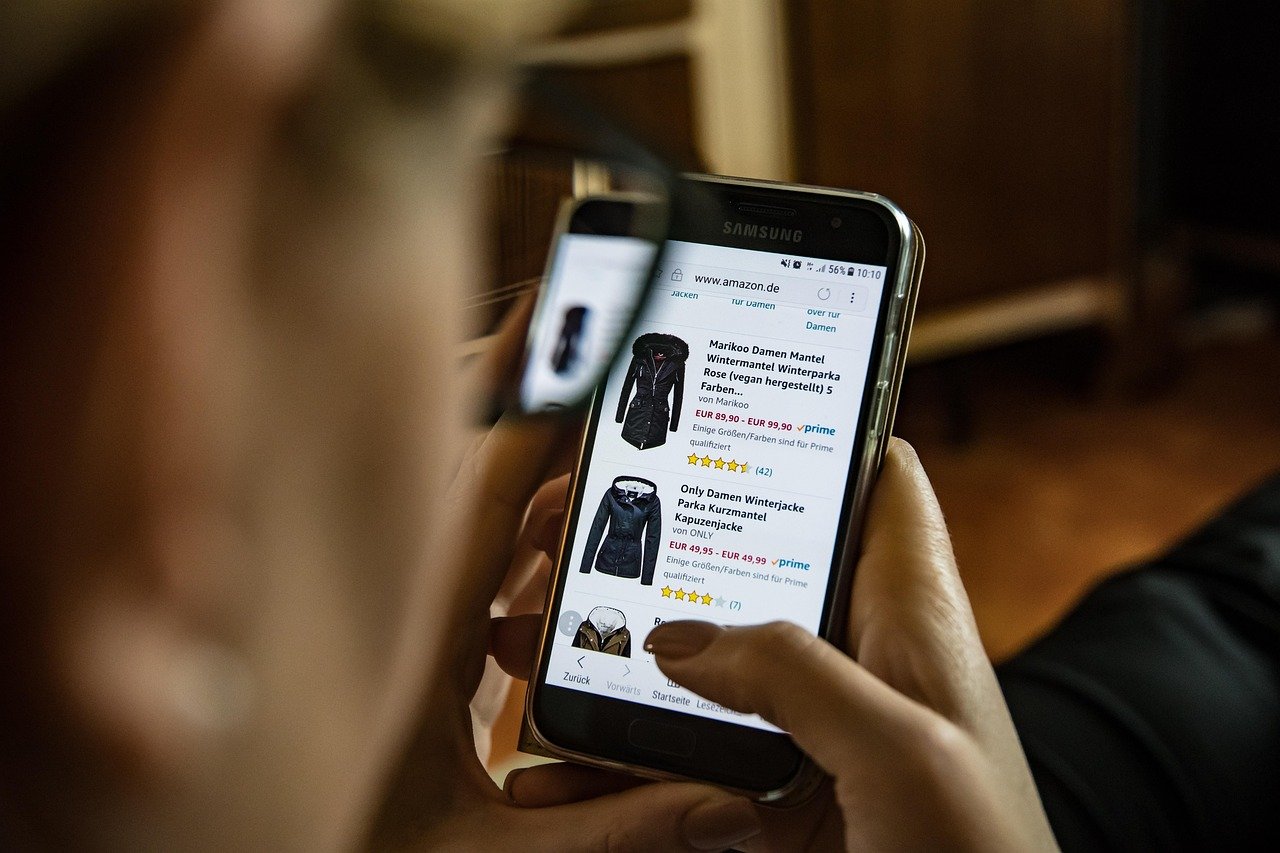
If e‑commerce is the engine, mobile commerce is the fuel accelerating its growth. Smartphones have become personal shopping assistants, product researchers, and checkout counters all in one. With more than half of global online purchases happening on mobile, businesses can no longer afford clunky websites or slow-loading pages. A seamless mobile experience is now a competitive advantage. Companies that optimize for mobile from intuitive navigation to one‑tap payments tap into a consumer base that expects instant gratification and frictionless buying.

Global Reach Without Global Costs
One of the most transformative aspects of e‑commerce is its ability to break down geographical barriers. A small business in Nairobi can sell to customers in London, Dubai, or New York with the same ease as a local transaction. This borderless commerce has opened doors for entrepreneurs who once faced high costs and limited reach. Platforms like Shopify, WooCommerce, and Jumia have democratized access to global markets, allowing businesses to scale faster than ever before. The playing field isn’t perfectly level but it’s more level than it has ever been.
Data-Driven Decisions That Power Growth
E‑commerce gives businesses something traditional retail never could: real‑time data. Every click, scroll, and purchase tells a story about customer behavior. Smart businesses use this data to refine product offerings, personalize marketing, and predict trends before they peak. This shift toward data‑driven strategy is one of the biggest reasons e‑commerce brands grow faster and adapt quicker. When you understand your customers deeply, you don’t just sell more you build loyalty that lasts.
The New Consumer Mindset
Today’s shoppers are empowered, informed, and impatient. They compare prices instantly, read reviews obsessively, and expect transparency at every step. This new mindset has raised the bar for businesses. It’s no longer enough to have a good product; you need a compelling story, a smooth experience, and a brand that aligns with your customers’ values. E‑commerce has amplified consumer choice and with choice comes higher expectations. Businesses that embrace this shift gain trust; those that ignore it lose relevance.
2. Social Commerce: The New Frontier
Social commerce isn’t just another digital trend it’s the new heartbeat of modern retail. As consumers spend more time on social platforms, the line between entertainment, community, and shopping has all but disappeared. What used to be a passive scroll has become an active marketplace, where discovery and purchase happen in the same moment. For businesses, this shift represents a powerful opportunity to meet customers in the spaces where they feel most connected, inspired, and ready to buy.
Where Community Meets Commerce
Social commerce thrives because it taps into something deeper than convenience: community. People trust recommendations from creators they follow, friends they admire, and communities they belong to. This trust becomes a currency more valuable than any paid ad. When a product appears in a creator’s hands or a friend’s story, it feels personal not promotional. Businesses that understand this dynamic can build stronger emotional connections, turning casual viewers into loyal customers. In this new frontier, authenticity isn’t optional; it’s the engine that drives conversion.
The Power of Short‑Form Video
Short‑form video has become the most influential force in social commerce. Platforms like TikTok, Instagram Reels, and YouTube Shorts have transformed product discovery into a fast, visual, and emotionally engaging experience. A 15‑second clip can demonstrate value, spark curiosity, and trigger impulse buying in ways traditional ads never could. This shift toward video‑first storytelling rewards brands that are bold, creative, and willing to show their products in real life not just polished studio shots. The brands winning today are the ones that embrace spontaneity, humor, and authenticity.
Influencers as the New Sales Force
Influencers have evolved from content creators into full‑fledged sales partners. Their ability to shape opinions and drive purchasing decisions makes them one of the most powerful tools in social commerce. But the real magic lies in micro‑influencers creators with smaller but highly engaged audiences. Their recommendations feel genuine, their communities feel intimate, and their impact often outperforms big‑name celebrities. Businesses that collaborate strategically with influencers gain access to built‑in trust, targeted reach, and a steady stream of user‑generated content that fuels ongoing growth.
Frictionless Shopping Experiences
One of the biggest reasons social commerce is booming is the simplicity of the buying process. Platforms now offer in‑app checkout, product tagging, live shopping features, and AI‑powered recommendations that guide users from discovery to purchase in seconds. This frictionless experience eliminates the drop‑off that happens when customers are forced to switch apps or navigate complex websites. For businesses, it means higher conversion rates and a smoother path to revenue. In a world where attention spans are shrinking, reducing friction isn’t just smart it’s essential.
The Rise of Live Shopping
Live shopping brings the energy of in‑store experiences to the digital world. It blends entertainment, education, and real‑time engagement, creating a sense of urgency that drives immediate action. Viewers can ask questions, see demonstrations, and purchase instantly all while feeling part of a shared moment. Brands in beauty, fashion, tech, and home goods are already seeing massive success with this format. It’s not just a trend; it’s a new way of selling that taps into the human desire for connection and interaction.
A Marketplace Built on Discovery
Unlike traditional e‑commerce, where customers search for what they already want, social commerce is built on discovery. Algorithms surface products based on interests, behaviors, and engagement patterns, exposing users to items they didn’t even know they needed. This discovery‑driven model gives businesses a unique advantage: the ability to reach new audiences organically. When content resonates, it spreads and when it spreads, it sells. In this environment, creativity becomes a growth strategy.
Why Social Commerce Is Growing Fast
Social commerce is expanding at a pace that’s reshaping the entire retail landscape. It’s not just about buying through social platforms it’s about how people discover, trust, and connect with brands in real time. Below are the key forces driving this explosive growth, each one a powerful shift in modern consumer behavior.
1. A Shopping Experience Built on Trust and Authenticity
Consumers today crave authenticity more than polished advertising. Social commerce thrives because it’s rooted in real people sharing real experiences. When a creator recommends a product, it feels personal like advice from someone you know. This trust is incredibly persuasive. It’s why a single TikTok review can send a product into viral territory. In a world full of noise, authenticity cuts through, making social platforms the perfect environment for genuine influence.
2. The Power of Visual Storytelling
Short‑form video has revolutionized product discovery. Instead of reading long descriptions, consumers watch real‑life demonstrations, reactions, and transformations. A 15‑second clip can show results, spark curiosity, and trigger impulse buying in a way static images never could. This visual storytelling makes products feel tangible and relatable, turning everyday scrolling into a dynamic shopping experience.
3. Frictionless, In‑App Shopping Journeys
One of the biggest accelerators of social commerce is the seamless buying process. Platforms now offer in‑app checkout, product tagging, and instant payment options. No switching apps. No complicated forms. No abandoned carts. When a customer can go from discovery to purchase in seconds, conversion rates naturally soar. Convenience has become a non‑negotiable expectation and social platforms deliver it flawlessly.

4. Influencers as Modern Sales Channels
Influencers have become the new storefronts of the digital age. Their ability to shape opinions and drive purchasing decisions makes them one of the most powerful engines behind social commerce. But the real magic often comes from micro‑influencers creators with smaller but deeply engaged communities. Their recommendations feel intimate and trustworthy, giving brands access to targeted audiences without massive ad budgets.
5. Algorithms That Fuel Discovery
Unlike traditional e‑commerce, where shoppers search for what they already want, social commerce thrives on algorithm‑driven discovery. Platforms like TikTok and Instagram push content and products to users based on their interests and behavior. This means brands can reach new audiences organically, even without paid ads. A product can go viral simply because the algorithm decides it’s relevant. Discovery becomes effortless, and buying becomes instinctive.
6. The Rise of Live Shopping Experiences
Live shopping blends entertainment with instant purchasing, creating a sense of urgency and excitement that mirrors in‑store events. Viewers can ask questions, watch demonstrations, and buy products in real time. This interactive format taps into the human desire for connection, making shopping feel social again. It’s no surprise that beauty, fashion, and tech brands are seeing massive success with live commerce it’s engaging, persuasive, and incredibly fun.
7. A Culture That Blurs Entertainment and Shopping
Today’s consumers don’t separate entertainment from shopping they expect them to coexist. Social commerce grows because it fits perfectly into this cultural shift. People discover products while laughing at memes, watching tutorials, or following creators they admire. Shopping becomes a natural extension of their online experience, not a separate task. This blend of fun and functionality is what makes social commerce so powerful it meets consumers exactly where they already are.
3. What Experts Are Saying
The rapid rise of e‑commerce and social commerce isn’t happening in a vacuum it’s being shaped, analyzed, and accelerated by some of the most influential voices in business, technology, and digital marketing. Their insights reveal not only where the industry is today, but where it’s heading next. Each perspective below offers a deeper look into the forces driving this transformation, framed as a flowing mini‑essay that connects naturally with the reader.
1. “Commerce Is Becoming More Participatory” Harley Finkelstein, President of Shopify
Harley Finkelstein has long argued that the future of commerce is rooted in participation, not passive consumption. His view reflects a major shift: customers don’t just want to buy products they want to engage with the brands behind them. They want to comment, share, react, and feel part of something bigger. This participatory mindset is exactly why social commerce is exploding. Platforms like TikTok and Instagram give consumers a voice, a stage, and a sense of belonging. Businesses that embrace this shift create communities, not just customer lists, and that emotional connection becomes a powerful driver of long‑term growth.
2. “Personalization Will Define the Next Decade of Retail” Meta Commerce Insights
Meta’s commerce team consistently highlights personalization as the next major frontier. With AI‑powered recommendations and behavior‑driven targeting, social platforms can now deliver shopping experiences tailored to each individual. This level of personalization goes far beyond traditional e‑commerce. It means showing the right product at the right moment, in the right format, to the right person. The result is a shopping journey that feels intuitive, almost effortless. For businesses, this insight is a wake‑up call: generic marketing is fading, and hyper‑personalized experiences are becoming the new standard.
3. “Social Commerce Could Reach $2 Trillion by 2025” McKinsey Analysts
When McKinsey projects a multi‑trillion‑dollar opportunity, the business world pays attention. Their analysis underscores the sheer scale of social commerce’s potential. This isn’t a niche trend it’s a global economic force driven by Gen Z and millennials who prefer to shop where they socialize. McKinsey’s research also highlights a key advantage: social commerce reduces friction at every stage of the buying journey. Discovery, validation, and purchase all happen in one place. For businesses, this means faster conversions, lower acquisition costs, and access to audiences that traditional e‑commerce struggles to reach.

4. “Creators Are the New Brands” Influencer Marketing Experts
Industry experts across the creator economy agree on one thing: creators have become the new brands. Their influence shapes trends, drives demand, and builds trust at a scale traditional advertising can’t match. This shift explains why social commerce is growing so quickly creators humanize products. They show them in real life, in real contexts, with real reactions. Their audiences feel connected to them, and that connection translates into buying power. Businesses that collaborate with creators aren’t just tapping into a marketing channel; they’re tapping into a cultural movement.
5. “Short‑Form Video Is the Most Powerful Discovery Tool of Our Time” Digital Marketing Strategists
Experts in digital marketing consistently point to short‑form video as the engine behind modern product discovery. It’s fast, emotional, and algorithm‑friendly. It rewards creativity over budget, authenticity over polish. This format has democratized visibility, allowing small businesses to compete with global brands. Strategists emphasize that the brands winning today are the ones willing to experiment to show behind‑the‑scenes moments, customer reactions, and real‑world use cases. In a world where attention is the most valuable currency, short‑form video is the ultimate attention magnet.
6. “The Future of Retail Is Hybrid” Global Retail Analysts
Retail analysts around the world agree that the future isn’t purely online or offline it’s hybrid. Social commerce plays a crucial role in this blended model. It acts as the bridge between digital discovery and real‑world experience. Consumers might find a product on TikTok, research it on a website, and buy it in-store or the other way around. This fluid journey means businesses must be present across multiple touchpoints. Analysts stress that brands who integrate social commerce into their broader retail strategy will be the ones who stay competitive in the long run.
4. Actionable Strategies for Businesses
The rise of e‑commerce and social commerce isn’t just an interesting trend it’s a call to action. Businesses that adapt quickly will gain visibility, loyalty, and long‑term growth. Those that hesitate risk falling behind in a marketplace that rewards speed, creativity, and customer‑centric thinking. Below are practical, high‑impact strategies, each framed as a flowing mini‑essay to help you understand not just what to do, but why it matters.
1. Optimize for Mobile‑First Shopping
Mobile isn’t the future it’s the present. With the majority of online purchases happening on smartphones, your mobile experience is now your storefront. A slow, cluttered, or confusing mobile site instantly pushes customers away. But a fast, intuitive, and visually clean interface builds trust and encourages impulse buying. Think of mobile optimization as removing invisible barriers between your customer and the “Buy Now” button. The smoother the journey, the higher the conversion.
2. Build a Social Commerce Ecosystem, Not Just a Presence
Simply posting on social media isn’t enough anymore. Today’s winning brands create ecosystems interconnected experiences across Instagram Shops, TikTok Shop, Facebook Shops, and Pinterest catalogs. When your products are shoppable directly within the platforms people already love, you eliminate friction and meet customers where they’re most engaged. This ecosystem approach turns your social channels into revenue engines, not just marketing tools.
3. Partner With Creators Who Feel Like Extensions of Your Brand
Influencer marketing has matured, and the most effective partnerships now feel like genuine collaborations rather than transactions. Micro‑influencers, in particular, bring authenticity and highly engaged communities. Their audiences trust them, and that trust transfers to your brand. When creators share your products in real‑life contexts not staged ads it humanizes your business and sparks organic demand. Think of creators as your modern sales force, powered by personality and connection.

4. Invest in Short‑Form Video as a Core Content Strategy
Short‑form video is no longer optional it’s the heartbeat of digital discovery. Platforms reward it, audiences crave it, and products showcased in video form convert faster. Whether it’s a quick demo, a behind‑the‑scenes moment, or a customer reaction, video brings your brand to life. It shows your product in motion, in context, and in a way that feels real. Businesses that master this format gain an unfair advantage in visibility and engagement.
5. Personalize Every Step of the Customer Journey
Modern consumers expect brands to understand them. Personalization from tailored product recommendations to segmented email and SMS campaigns makes customers feel seen. It transforms generic marketing into meaningful communication. When you use data to anticipate needs, highlight relevant products, and deliver timely messages, you create a shopping experience that feels curated rather than automated. Personalization isn’t just a tactic; it’s a loyalty‑building strategy.
6. Streamline Fulfillment and Customer Support
A great product means nothing if the delivery experience disappoints. Fast shipping, transparent tracking, and easy returns are now baseline expectations. Businesses that excel in fulfillment turn first‑time buyers into repeat customers. Pair this with responsive customer support whether through chatbots, messaging apps, or live agents and you build trust that lasts. Reliability becomes part of your brand identity, and customers reward that with loyalty.
7. Encourage User‑Generated Content to Build Social Proof
UGC is one of the most powerful forms of marketing because it’s created by real customers, not your brand. Reviews, unboxings, testimonials, and everyday product photos build credibility and community. When customers see people like themselves using your product, it reduces hesitation and boosts confidence. Encouraging UGC through hashtags, challenges, or incentives turns your audience into advocates and amplifies your reach organically.
8. Experiment With Live Shopping to Drive Real‑Time Engagement
Live shopping blends entertainment with instant purchasing, creating a sense of urgency that traditional e‑commerce can’t match. It allows you to showcase products, answer questions, and connect with customers in real time. This interactive format builds excitement and trust, making it ideal for product launches, limited‑time offers, and seasonal promotions. Businesses that embrace live shopping tap into a fast‑growing trend that feels fresh, human, and highly persuasive.
Real‑World Success Stories
The rise of e‑commerce and social commerce isn’t just theory it’s happening in real time, reshaping industries and creating breakout brands across the globe. These success stories show what’s possible when businesses embrace digital transformation with creativity, agility, and a deep understanding of modern consumer behavior. Each example below reads like a mini‑essay, highlighting the strategy behind the success and the lesson every business can take away.
1. Glossier: Building a Beauty Empire Through Community Power
Glossier didn’t become a billion‑dollar brand by relying on traditional advertising. Instead, it built its foundation on community‑driven commerce. The brand treated its customers like collaborators, encouraging them to share routines, reviews, and real‑life photos. This user‑generated content became the heartbeat of Glossier’s marketing. Their social‑first approach turned everyday consumers into ambassadors, creating a sense of belonging that fueled explosive growth. The lesson is clear: when you build a brand with your audience, not just for them, loyalty becomes your greatest asset.

2. Jumia: Unlocking E‑Commerce Potential Across Africa
Jumia’s rise demonstrates the power of understanding local markets. Operating across multiple African countries, the company tackled challenges like logistics, payment systems, and delivery infrastructure head‑on. By integrating mobile payments, partnering with local couriers, and tailoring its platform to regional needs, Jumia became a pioneer in African e‑commerce innovation. Their success shows that growth isn’t just about technology it’s about solving real problems for real people. Businesses that adapt to cultural and logistical realities can unlock massive untapped markets.
3. Nike: Mastering the Direct‑to‑Consumer Revolution
Nike’s digital transformation is a masterclass in strategic reinvention. By investing heavily in its apps, online store, and social commerce integrations, Nike shifted toward a direct‑to‑consumer (DTC) model that gives it full control over customer relationships. Personalized recommendations, exclusive drops, and seamless mobile experiences have helped Nike generate a significant portion of its revenue online. Their approach proves that even global giants must evolve and that owning the customer journey is one of the most powerful growth strategies in modern retail.
4. TikTok‑Driven Brands: The Power of Viral Discovery
From skincare serums to kitchen gadgets, countless small businesses have skyrocketed thanks to TikTok’s algorithm‑driven discovery. A single viral video can turn an unknown product into a bestseller overnight. These brands succeed because they embrace authentic, unpolished content that resonates with real people. They show the product in action, highlight genuine reactions, and lean into trends. The takeaway is simple: creativity beats budget. In the world of social commerce, relatability is more valuable than perfection.
5. Small Businesses Thriving Through Social Shops
Across the world, small businesses are experiencing unprecedented growth thanks to Instagram Shops, Facebook Marketplace, and TikTok Shop. Handmade jewelry brands, local fashion boutiques, and home‑based beauty businesses are reaching customers far beyond their neighborhoods. Their success comes from authentic storytelling, consistent posting, and direct engagement with followers. These entrepreneurs prove that you don’t need a massive budget to succeed you need a compelling story, a great product, and the courage to show up consistently.
The Bottom Line & Call to Action
The bottom line is that we are living through one of the most significant shifts in the history of commerce a shift driven not by technology alone, but by human behavior, cultural change, and the growing expectation that shopping should be as seamless, social, and intuitive as the rest of our digital lives. E‑commerce has matured into the backbone of modern retail, offering convenience, global reach, and data‑driven insights that were unimaginable a decade ago. But social commerce has taken this evolution even further, transforming everyday scrolling into a powerful engine of discovery and demand. Consumers no longer move through a linear buying journey; they move through a fluid ecosystem where inspiration, validation, and purchase happen in the same moment. This new reality rewards brands that show up authentically, communicate with personality, and build relationships rather than simply pushing products. It rewards businesses that understand the emotional side of shopping the desire to feel seen, understood, and connected. And it rewards those willing to experiment, adapt quickly, and meet customers where they already spend their time.

That’s why the most important step any business can take right now is simply to begin. You don’t need a massive budget, a full creative team, or a perfect strategy to enter the world of digital commerce. You need movement. Start by choosing one area to focus on maybe it’s improving your mobile experience, launching a TikTok Shop, partnering with a creator who aligns with your brand, or finally embracing short‑form video as a storytelling tool. Implement it, learn from it, and build from there. Digital growth is rarely about one big leap; it’s about consistent, intentional steps that compound over time. Every post, every product tag, every customer interaction becomes part of a larger narrative that shapes how people perceive your brand.
And here’s the real call to action: step confidently into the spaces where your customers already live. They are scrolling, sharing, laughing, learning, and buying often all at once. They are discovering new brands through creators they trust, through videos that entertain them, and through communities that make them feel connected. Your job is to show up in those moments with a brand that feels human, helpful, and worth remembering. The future of commerce belongs to businesses that understand this blend of technology and humanity, strategy and storytelling, data and emotion. The next chapter of your business doesn’t begin with a complex plan it begins with a single decision to embrace the digital marketplace fully and claim the opportunities waiting for you. If you’re ready, the path forward is wide open.