Overview
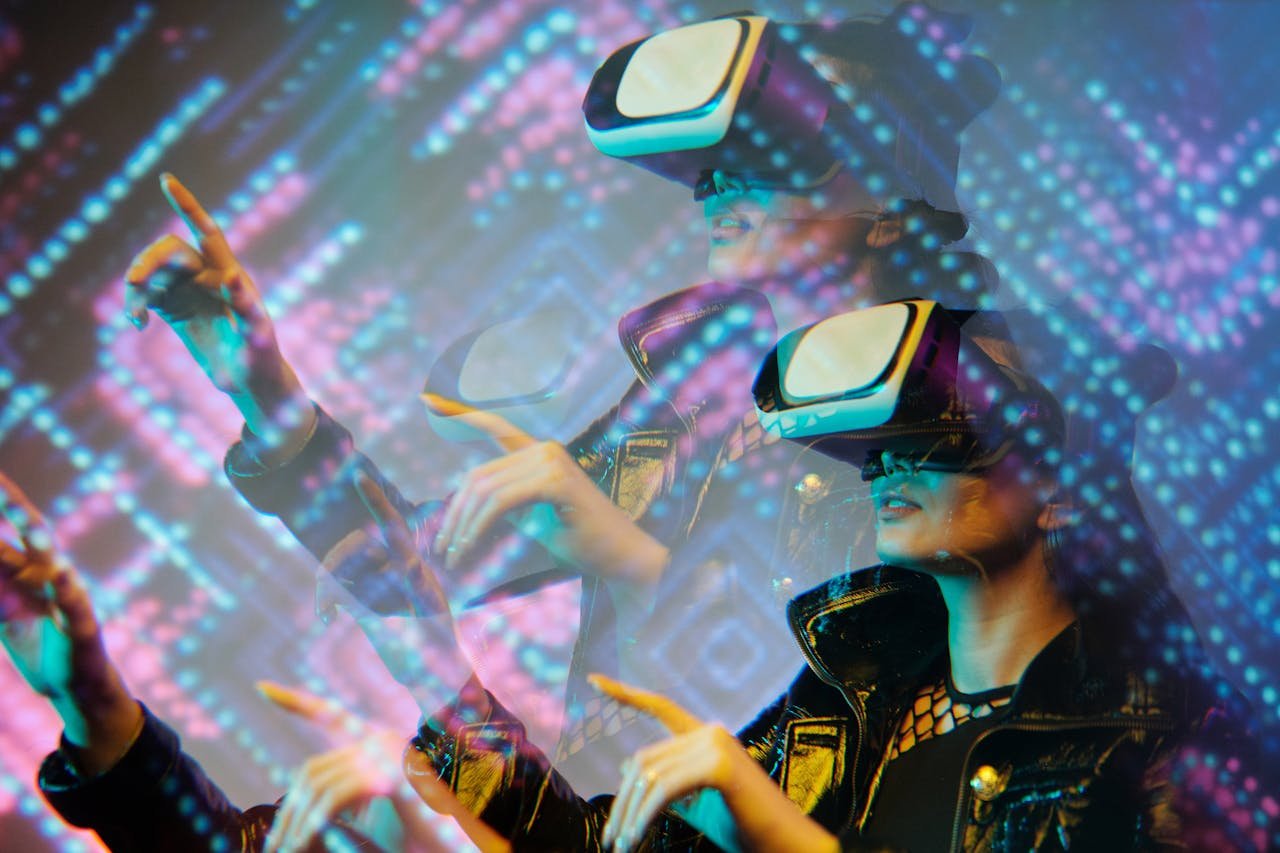
AR/VR in Marketing is transforming consumer behavior by driving engagement, boosting purchase intent, inspiring business adoption, and fueling global market growth.
Marketing has always been about storytelling and connection. From the earliest print ads to today’s digital campaigns, the goal has remained the same: capture attention, build trust, and inspire action. Yet in our hyper-connected world, consumers are bombarded with thousands of messages every single day. Social media feeds, streaming platforms, and endless notifications compete for attention, making it harder than ever for brands to stand out. Traditional advertising often feels like background noise, quickly forgotten in the scroll of daily life.
This is where virtual reality Augmented Reality (AR) and Virtual Reality (VR) enter the picture not as futuristic novelties, but as powerful tools that are reshaping the way marketers engage with audiences. Unlike static ads or even video campaigns, AR and VR invite customers to step inside the brand story. They transform marketing from a passive experience into an active one, where consumers don’t just watch they participate.

Imagine walking into a store and, instead of flipping through catalogs, using your phone to see how a sofa would look in your living room. Or picture trying on a pair of sneakers virtually, adjusting colors and styles in real time, before making a purchase. With AR, these scenarios are already happening. IKEA’s “Place” app lets customers visualize furniture in their homes, while Sephora’s “Virtual Artist” allows users to experiment with makeup shades instantly. These experiences don’t just entertain they solve real problems, reducing uncertainty and boosting confidence in buying decisions.
VR takes immersion even further. It creates entire worlds where customers can explore, interact, and connect with brands on a deeper level. Nike has experimented with VR showrooms that gamify shopping, while tourism boards offer VR previews of destinations to inspire bookings. These experiences are memorable because they go beyond information they evoke emotion. And in marketing, emotion is what drives loyalty and action.
The rise of AR/VR also reflects a broader shift in consumer expectations. Today’s audiences crave personalization, authenticity, and engagement. They want brands to meet them where they are, offering tools that feel useful and experiences that feel unique. AR/VR delivers exactly that: personalized, interactive journeys that make customers feel seen and valued.
For marketers, the message is clear. AR and VR are not just flashy technologies they are strategic assets. They bridge the gap between imagination and reality, turning marketing into something customers can touch, feel, and remember. In a crowded marketplace, that kind of impact is priceless.
How AR/VR Are Used in Marketing
Product Visualization
One of the most exciting ways AR is transforming marketing is through product visualization. Think about the hesitation that comes with buying something online the nagging doubt of “Will this really fit my space?” or “Will that shade look good on me?”. AR removes that uncertainty by offering personalization in real time. IKEA’s Place app lets you drop a virtual sofa into your living room, instantly showing how it blends with your décor. Sephora’s Virtual Artist allows you to try on lipstick shades without ever opening a tube. These experiences build trust because they empower customers to make decisions with confidence. Instead of guessing, they see the product in their world, which makes the buying process smoother, more engaging, and far more human.
Immersive Storytelling
If AR solves practical problems, VR takes marketing into the realm of immersive storytelling. Brands are no longer limited to describing their products they can create entire worlds for customers to explore. Nike has experimented with VR showrooms that gamify shopping, turning product discovery into an adventure rather than a transaction. Tourism boards use VR previews to let travelers “visit” destinations before booking, sparking engagement and emotional connection. This isn’t just about showing features; it’s about evoking emotion excitement, curiosity, wonder. And emotion is the heartbeat of loyalty. By placing customers inside the narrative, VR transforms marketing into something unforgettable, where the brand story isn’t told, it’s lived.

Experiential Campaigns
AR and VR also shine in experiential campaigns, where the goal is to surprise, delight, and spark conversation. Social media platforms like Instagram and Snapchat have made AR filters mainstream, encouraging users to play with branded effects and share them with friends. This turns customers into storytellers, spreading awareness organically. Coca‑Cola’s VR pop‑ups immersed visitors in branded worlds, while Pepsi’s AR bus stop campaign startled commuters with playful visuals that went viral. These campaigns showcase innovation by blending entertainment with marketing, proving that ads don’t have to feel like ads. They can feel like moments of joy, discovery, and connection experiences people want to talk about.
The Bigger Picture
What ties all these applications together is a fundamental shift in marketing: from a one‑way broadcast to a two‑way conversation. AR and VR empower customers to interact, personalize, and co‑create their journey with brands. They don’t just see a product they experience it. This builds engagement, strengthens emotional bonds, and makes campaigns more memorable. In essence, AR and VR are not just tools; they are catalysts for innovation, personalization, and loyalty, redefining how businesses build relationships in the digital age.
Impact on Consumer Behavior
Engagement
One of the clearest impacts of AR on consumer behavior is the way it drives engagement. Traditional ads often struggle to hold attention, but AR experiences invite customers to interact, explore, and play. Research shows that 65% of consumers find AR experiences engaging, which speaks to the power of immersion. When people can virtually try on clothes, place furniture in their homes, or use playful AR filters on social media, they aren’t just looking at a brand they’re spending time with it. That extra time builds familiarity and emotional connection, making the brand feel more relevant and memorable.
Purchase Intent
Engagement naturally leads to action, and VR has proven especially effective at boosting purchase intent. Studies reveal that 35% of consumers are more likely to buy after experiencing a VR ad, which highlights how immersion translates into confidence. When customers can walk through a virtual showroom, test drive a car in a simulated environment, or preview a travel destination before booking, they move from curiosity to conviction. VR doesn’t just show a product; it lets people feel it in their world, and that sense of personalization reduces hesitation and drives decisions.
Business Adoption
The growing impact on consumers is pushing businesses to adapt. By 2025, more than 50% of enterprises are expected to allocate budgets for AR/VR initiatives, signaling that immersive marketing is no longer experimental it’s becoming mainstream. This adoption reflects a recognition that innovation is not just about staying ahead of competitors, but about meeting evolving consumer expectations for authenticity and personalization. Companies that invest in AR/VR are positioning themselves as forward‑thinking, customer‑centric brands, which strengthens trust and loyalty in the long run.

Market Growth
The broader market trends reinforce this momentum. Analysts project that the AR/VR market will reach nearly $300 billion globally, underscoring the scale of opportunity for marketers who embrace these tools. This growth isn’t just about technology; it’s about the human desire for experiences that feel real, interactive, and emotionally resonant. As AR and VR become more accessible, consumers will increasingly expect brands to offer immersive journeys rather than static ads. For marketers, this means that AR/VR are not optional extras they are becoming essential strategies for building engagement, trust, and loyalty in the digital age.
Challenges & Considerations
Cost & Accessibility
One of the biggest hurdles in adopting AR and VR for marketing is cost and accessibility. Developing high‑quality VR experiences requires significant investment in technology, design, and storytelling. For many brands, especially smaller ones, this can feel out of reach. On the consumer side, accessibility is another challenge not everyone owns a VR headset, and those devices can still be expensive. This creates a gap between the immersive experiences brands want to deliver and the audiences who can actually access them. The keyword here is inclusivity: marketers must balance innovation with practicality, finding ways to make AR more accessible through smartphones or lightweight apps, so that immersive marketing doesn’t remain a luxury but becomes part of everyday engagement.
User Experience
Even when brands overcome the cost barrier, the next challenge is user experience. Poorly designed AR/VR campaigns risk feeling gimmicky, leaving customers frustrated instead of inspired. Immersion only works when it adds value when it helps customers visualize, personalize, or connect in ways that traditional ads cannot. If the experience feels clunky, confusing, or irrelevant, it undermines trust and damages the brand’s reputation. The keyword here is authenticity: marketers must ensure that AR/VR campaigns are intuitive, useful, and aligned with real customer needs. A virtual try‑on that helps someone choose the right product builds confidence; a flashy but meaningless VR demo risks being forgotten. The human side of this challenge is remembering that technology should serve people, not the other way around.

Integration with AI
Finally, there’s the challenge of integration with AI, which is both an opportunity and a concern. AI is increasingly used to personalize AR/VR experiences, tailoring recommendations and interactions to individual preferences. This creates powerful engagement because customers feel seen and valued. But personalization also raises questions about data privacy. How much information should brands collect to deliver these experiences, and how transparent are they about its use? The keyword here is trust: without it, even the most innovative campaigns can backfire. Marketers must strike a balance between personalization and privacy, ensuring that customers feel empowered rather than exposed. Done right, AI‑driven AR/VR can deepen loyalty; done poorly, it risks alienating the very audience it seeks to engage.

Future Outlook
The future of AR and VR in marketing is not just promising it’s transformative. As technology becomes more affordable and accessible, immersive experiences will move from novelty to necessity, reshaping how brands build engagement and loyalty. What once required expensive headsets is now increasingly available through smartphones and lightweight devices, breaking down barriers of accessibility and opening the door for wider adoption. This democratization means that AR try‑ons, VR showrooms, and interactive campaigns will no longer be reserved for tech‑savvy audiences but will become part of everyday consumer journeys.
At the same time, the demand for personalization will continue to grow. Consumers expect brands to understand their unique needs, and AR/VR powered by AI will deliver hyper‑tailored experiences that feel authentic and human. Imagine walking into a virtual store where product recommendations adapt in real time to your preferences, or using AR to design a personalized travel itinerary that reflects your lifestyle. These innovations will not only drive purchase intent but also deepen emotional connections, turning transactions into relationships.
The market trajectory underscores this shift. Analysts project the AR/VR industry to reach nearly $300 billion globally, a figure that reflects both consumer appetite and enterprise investment. By 2025, more than half of businesses are expected to allocate budgets for AR/VR initiatives, signaling that immersive marketing is becoming a mainstream strategy rather than an experimental add‑on. This wave of innovation will push brands to compete not just on product quality but on the richness of the experiences they create.
Of course, the future also brings challenges. Questions of trust and privacy will remain central as personalization relies on data. Brands that succeed will be those that balance creativity with transparency, ensuring customers feel empowered rather than exposed. Done right, AR and VR will redefine marketing as a two‑way conversation, where consumers don’t just consume content they co‑create it.
In essence, the outlook for AR/VR in marketing is one of evolution: from static ads to dynamic experiences, from one‑size‑fits‑all campaigns to personalized journeys, and from fleeting attention to lasting loyalty. The brands that embrace this future early will not only stand out they will set the standard for how marketing feels in the digital age.
The Bottom Line & Call to Action
The bottom line is clear: AR and VR are no longer futuristic experiments they are game‑changing tools that are reshaping marketing by creating immersion, personalization, engagement, trust, and innovation. Consumers are showing us what they want: experiences that feel real, interactive, and tailored to their lives. Businesses are responding by investing heavily, with the AR/VR market projected to soar toward $300 billion globally. This isn’t just about technology; it’s about human behavior. People remember experiences, not ads. They share stories, not slogans. And AR/VR give marketers the ability to turn campaigns into memorable journeys that spark curiosity, build confidence, and inspire loyalty.

For marketers, the call to action is simple but urgent: start experimenting now. Don’t wait for AR and VR to become industry standards by then, the opportunity to stand out will be gone. Begin small with accessible AR tools like virtual try‑ons or interactive filters, measure the impact, and scale up as you learn. Focus on creating experiences that solve real customer problems, not just flashy gimmicks. Integrate personalization thoughtfully, balancing innovation with transparency to build trust. And most importantly, remember that technology is only powerful when it feels human.
The future of marketing belongs to brands that embrace engagement through immersion, loyalty through personalization, and trust through authenticity. AR and VR are the bridge to that future. The question isn’t whether these tools will transform marketing they already are. The real question is whether your brand will be part of the transformation or left behind.
👉 Marketers: take the leap. Explore AR and VR today. Your customers are ready for experiences that go beyond ads they’re waiting for stories they can step into, journeys they can share, and brands they can truly connect with.