
Overview
Marketing has always been about connection the ability to understand people, anticipate their needs, and deliver value in ways that feel personal. But in today’s digital-first economy, that connection is harder to achieve. Consumers are bombarded with thousands of messages daily, their attention spans are shrinking, and their expectations for relevance are higher than ever. Generic campaigns no longer cut it.
This is where AI-driven marketing strategy steps in, transforming the way brands engage with audiences. Artificial Intelligence isn’t just another shiny tool in the marketer’s kit it’s a game-changer. By harnessing machine learning, predictive analytics, and automation, AI empowers businesses to turn overwhelming amounts of data into human connection.
Think about it a moment:
1.A coffee app that knows your favorite order before you even open it.
2.An online store that recommends products you didn’t realize you needed.
3.A brand that sends you content at the exact moment you’re most likely to engage.
These aren’t coincidences they’re the result of AI-powered personalization and intelligent targeting. Companies like Amazon, Netflix, and Starbucks have already proven that AI can drive loyalty, boost sales, and create experiences that feel tailor-made.
But here’s the real trick: AI doesn’t replace human creativity-it amplifies it. While algorithms crunch numbers and predict behaviors, marketers can focus on storytelling, empathy, and building authentic relationships. The future of marketing isn’t about machines taking over it’s about humans and machines working together to craft experiences that resonate on a deeper level.

In this article, we’ll explore how AI-driven marketing strategies are reshaping the industry, highlight real-world case studies, share expert insights, and provide actionable steps you can take to integrate AI into your own campaigns. Whether you’re a seasoned marketer or just starting out, the goal is clear: use AI not just to sell, but to connect.
Why AI Is Reshaping Marketing
Marketing is no longer about broadcasting a single message to the masses it’s about creating personalized experiences that feel tailor-made for each individual. In a world where consumers expect relevance, speed, and authenticity, traditional methods struggle to keep up. That’s why AI-driven marketing strategy is reshaping the industry from the ground up.

Artificial Intelligence brings something marketers have always dreamed of: the ability to understand customers at scale. By analyzing millions of data points in real time, AI can uncover hidden patterns, predict future behavior, and deliver the right message at the right moment. This isn’t just efficiency it’s transformation.
The Core Benefits of AI in Marketing
Personalization at Scale
One of the most transformative aspects of an AI-driven marketing strategy is its ability to deliver personalization at scale. Instead of relying on broad demographic categories, AI analyzes individual customer data such as browsing history, purchase behavior, and even social media activity to craft experiences that feel uniquely tailored. This means that millions of customers can receive messages, recommendations, and offers that resonate with their personal preferences, all at the same time. The result is deeper customer engagement, stronger loyalty, and higher conversion rates. Brands like Amazon have proven the power of this approach, with their recommendation engine driving more than a third of total sales. Personalization isn’t just a nice-to-have; it’s the new standard for meaningful marketing.
Predictive Analytics
Another core benefit of AI in marketing is the ability to anticipate customer needs through predictive analytics. Traditional marketing often relied on reacting to what customers had already done, but AI changes the game by forecasting what they are likely to do next. By analyzing patterns in data, AI can predict demand, identify emerging trends, and even suggest the best time to reach out to a customer. Starbucks, for example, uses predictive models to recommend drinks based on past purchases, boosting both loyalty and average order value. This proactive approach allows brands to stay ahead of competitors and deliver value before customers even ask for it. In essence, predictive analytics turns marketing into a forward-looking strategy rather than a reactive one.
Efficiency and Automation
Efficiency is another area where AI shines. Marketing teams often spend countless hours on repetitive tasks such as segmenting audiences, scheduling posts, or responding to customer inquiries. With AI-powered automation, these tasks can be handled seamlessly, freeing marketers to focus on creativity and strategy. Chatbots, for instance, can manage customer queries around the clock, saving businesses billions in support costs while improving satisfaction. Automated ad targeting ensures campaigns reach the right audience at the right time without constant manual adjustments. This level of efficiency doesn’t just save time it enhances accuracy, consistency, and scalability, allowing brands to achieve more with fewer resources.

Creative Enhancement
Finally, AI is not just about data and automation it’s also a powerful tool for creative enhancement. Generative AI can assist with brainstorming, copywriting, and even design, giving marketers a creative partner that helps them push boundaries. Far from replacing human imagination, AI amplifies it by providing fresh ideas and variations that marketers can refine into compelling campaigns. BMW demonstrated this by using AI to create dynamic ads that adapted to user behavior, resulting in higher engagement rates. By combining machine precision with human storytelling, brands can deliver content that resonates emotionally while maintaining relevance. Creative enhancement through AI ensures that campaigns are not only efficient but also memorable and impactful.
Together, these benefits personalization at scale, predictive analytics, efficiency and automation, and creative enhancement illustrate why AI is revolutionizing marketing. It’s not just about smarter campaigns; it’s about building deeper, more authentic connections with customers in a way that feels both personal and human.
Practical Examples & Case Studies
Amazon: Personalization That Drives Revenue
When it comes to showcasing the power of an AI-driven marketing strategy, Amazon is the gold standard. Its recommendation engine doesn’t just suggest random products it learns from browsing history, purchase behavior, and even what other customers with similar profiles have bought. This hyper-personalized approach is so effective that it generates more than a third of Amazon’s total revenue. For customers, it feels seamless: every time they log in, the platform seems to anticipate their needs. For marketers, it’s proof that personalization at scale isn’t just about engagement it’s about measurable business growth.

Starbucks: Predictive Analytics in Action
Starbucks has mastered the art of using predictive analytics to deepen customer loyalty. Through its mobile app, the company collects data on purchase history, time of day, and even location. AI then uses this information to predict what a customer is likely to order next and sends timely suggestions or offers. Imagine opening the app on a Monday morning and seeing your favorite latte recommended before you even think about it. This proactive personalization not only boosts average order value but also strengthens the emotional bond between the brand and its customers. Starbucks demonstrates how predictive AI can turn everyday transactions into personalized experiences.
Sephora: AI-Powered Customer Engagement
Sephora has taken customer service to the next level by integrating AI into its shopping experience. Its virtual beauty advisor chatbot helps customers find products tailored to their skin type, preferences, and past purchases. Instead of scrolling endlessly through product pages, shoppers receive curated recommendations that feel personal and relevant. This AI-driven approach reduces customer frustration, increases satisfaction, and drives sales all while saving the company significant support costs. Sephora’s case shows how AI can transform customer engagement by blending personalization with convenience.
BMW: Creative Enhancement Through AI
BMW offers a glimpse into how AI can amplify creativity in marketing. The brand used AI to design dynamic ads that adapted in real time to user behavior. Instead of static campaigns, the ads evolved based on who was viewing them, creating a sense of personalization and novelty. The result was higher engagement rates and a stronger emotional connection with audiences. BMW’s experiment proves that AI isn’t just about efficiency it’s also a creative partner that helps brands deliver campaigns that feel fresh, relevant, and memorable.
Expert Opinions
Industry leaders consistently emphasize that the true value of an AI-driven marketing strategy lies not in replacing human creativity but in amplifying it. Marketing experts argue that while algorithms can analyze data, predict behavior, and automate campaigns, they cannot replicate empathy or emotional storytelling the very elements that make brands memorable. As one strategist noted, “AI can predict what customers might do next, but it cannot replace the human touch that builds trust.” This perspective highlights the importance of balance: marketers should use AI to handle the heavy lifting of data analysis and personalization, while reserving human insight for crafting narratives that resonate emotionally.
Another recurring theme among experts is the role of personalization in driving customer engagement. Analysts point out that consumers are increasingly drawn to brands that understand their preferences and anticipate their needs. AI makes this possible at scale, but thought leaders caution against over-automation. Too much reliance on machine-driven personalization risks making interactions feel robotic. Instead, experts recommend blending predictive analytics with authentic human communication, ensuring that campaigns feel both relevant and genuine. This hybrid approach, they argue, is what separates successful brands from those that alienate their audiences.

Ethics also feature prominently in expert discussions. Marketing professionals stress that transparency in data usage is critical to building long-term loyalty. Customers want personalized experiences, but they also want to know that their information is being handled responsibly. Experts warn that misuse of data or opaque practices can quickly erode trust, undoing the very benefits AI is meant to deliver. The consensus is clear: ethical AI is not just a compliance issue it’s a competitive advantage. Brands that prioritize fairness, inclusivity, and transparency in their AI-driven strategies will stand out in a crowded marketplace.
Finally, experts highlight the future potential of AI in creative empowerment. Generative AI tools are already assisting with copywriting, design, and campaign ideation, but thought leaders believe this is just the beginning. They envision a future where AI acts as a collaborative partner, sparking ideas and enabling marketers to experiment in ways that were previously impossible. The message from experts is both inspiring and practical for human imagination to shine.
Actionable Advice for Marketers
For marketers eager to embrace an AI-driven marketing strategy, the journey begins with small, intentional steps rather than sweeping overhauls. Experts recommend starting with one area such as personalized email campaigns or chatbot integration before scaling across multiple channels. This approach allows teams to learn, adapt, and refine without being overwhelmed. By experimenting with a single AI tool, marketers can quickly see the impact on customer engagement and build confidence in expanding their use of AI.
Another critical piece of advice is to invest in data quality. AI is only as powerful as the information it learns from, and poor or incomplete data can lead to misguided insights. Marketers should prioritize cleaning, organizing, and structuring customer data to ensure accuracy. When predictive analytics are fueled by reliable data, they can forecast trends, anticipate customer needs, and guide campaigns with precision. In this way, data becomes the foundation for personalization at scale and smarter decision-making.

Balancing automation with authenticity is equally important. While AI can handle repetitive tasks and optimize campaigns in real time, customers still crave human connection. Over-automation risks making interactions feel robotic, which can erode trust. Successful marketers use AI to streamline processes but maintain a human voice in storytelling, customer service, and brand messaging. This balance ensures that technology enhances rather than replaces the emotional resonance of marketing.
Continuous testing and optimization are also essential. AI thrives on iteration, and marketers should embrace a culture of experimentation. Running A/B tests, analyzing performance metrics, and refining strategies based on real-time feedback allows campaigns to evolve dynamically. This iterative process not only maximizes ROI but also keeps brands agile in a fast-changing digital landscape.
Finally, ethical responsibility must remain at the forefront. Transparency in how customer data is collected and used builds long-term loyalty. Marketers should avoid manipulative personalization and ensure that algorithms are free from bias. By prioritizing fairness, inclusivity, and openness, brands can differentiate themselves in a crowded marketplace and position AI as a tool for trust rather than intrusion.
Challenges & Risks of AI in Marketing
Data Privacy Concerns
One of the most pressing challenges in adopting an AI-driven marketing strategy is the issue of data privacy. AI thrives on data, but the very information that fuels personalization and predictive analytics can also raise concerns among customers. People want tailored experiences, yet they are increasingly wary of how their personal information is collected, stored, and used. Missteps such as unclear consent or misuse of data can quickly erode trust and damage brand reputation. For marketers, the lesson is clear: transparency and ethical data practices are not optional; they are essential for building long-term customer engagement.
Algorithmic Bias
AI systems learn from the data they are fed, which means they can unintentionally inherit biases present in that data. In marketing, this can manifest as skewed recommendations, exclusion of certain customer groups, or reinforcement of stereotypes. For example, an algorithm trained on incomplete or biased datasets might favor one demographic over another, leading to unfair targeting. This not only undermines inclusivity but can also alienate potential customers. Marketers must actively monitor and audit their AI tools to ensure fairness, diversity, and equity in their campaigns.
Over-Reliance on Automation
While automation is one of the biggest benefits of AI, it also carries risks when overused. Customers can quickly sense when interactions feel robotic or impersonal, which can weaken emotional connections with a brand. Over-reliance on AI-driven chatbots or automated messaging may save time, but it risks stripping away the authenticity that makes marketing meaningful. The challenge for marketers is to strike the right balance using automation for efficiency while maintaining a human voice in storytelling and customer service.
Ethical Responsibility
Beyond privacy and bias, there is a broader ethical responsibility in how AI is deployed in marketing. Manipulative personalization such as exploiting vulnerabilities or pushing unnecessary products can harm customers and damage brand credibility. Experts stress that ethical AI is not just about compliance with regulations; it is about building trust and positioning the brand as a responsible leader. Marketers who prioritize transparency, fairness, and inclusivity will not only avoid risks but also gain a competitive advantage in a marketplace where consumers value integrity.
The challenges of AI in marketing privacy concerns, algorithmic bias, over-automation, and ethical responsibility are real, but they are not insurmountable. By acknowledging these risks and addressing them proactively, marketers can harness the full potential of an AI-driven marketing strategy while safeguarding trust and authenticity.
Conclusion & Call to Action
The rise of AI-driven marketing strategy marks a turning point in how brands connect with their audiences. What once felt impossible personalizing at scale, predicting customer needs, optimizing campaigns in real time, and enhancing creativity is now not only achievable but essential. The case studies of Amazon, Starbucks, Sephora, and BMW prove that AI is more than a technological upgrade; it is a catalyst for building deeper, more authentic customer engagement. Yet, as experts remind us, the true power of AI lies in its partnership with human creativity. Machines can analyze data and forecast behavior, but it is human empathy and storytelling that transform those insights into meaningful connections.
Of course, challenges remain. Data privacy, algorithmic bias, and the risk of over-automation are real concerns that marketers must address with transparency and responsibility. But these risks are not barriers they are opportunities to lead with integrity. Brands that embrace ethical AI practices will not only avoid pitfalls but also gain a competitive edge in a marketplace where trust is the ultimate currency.
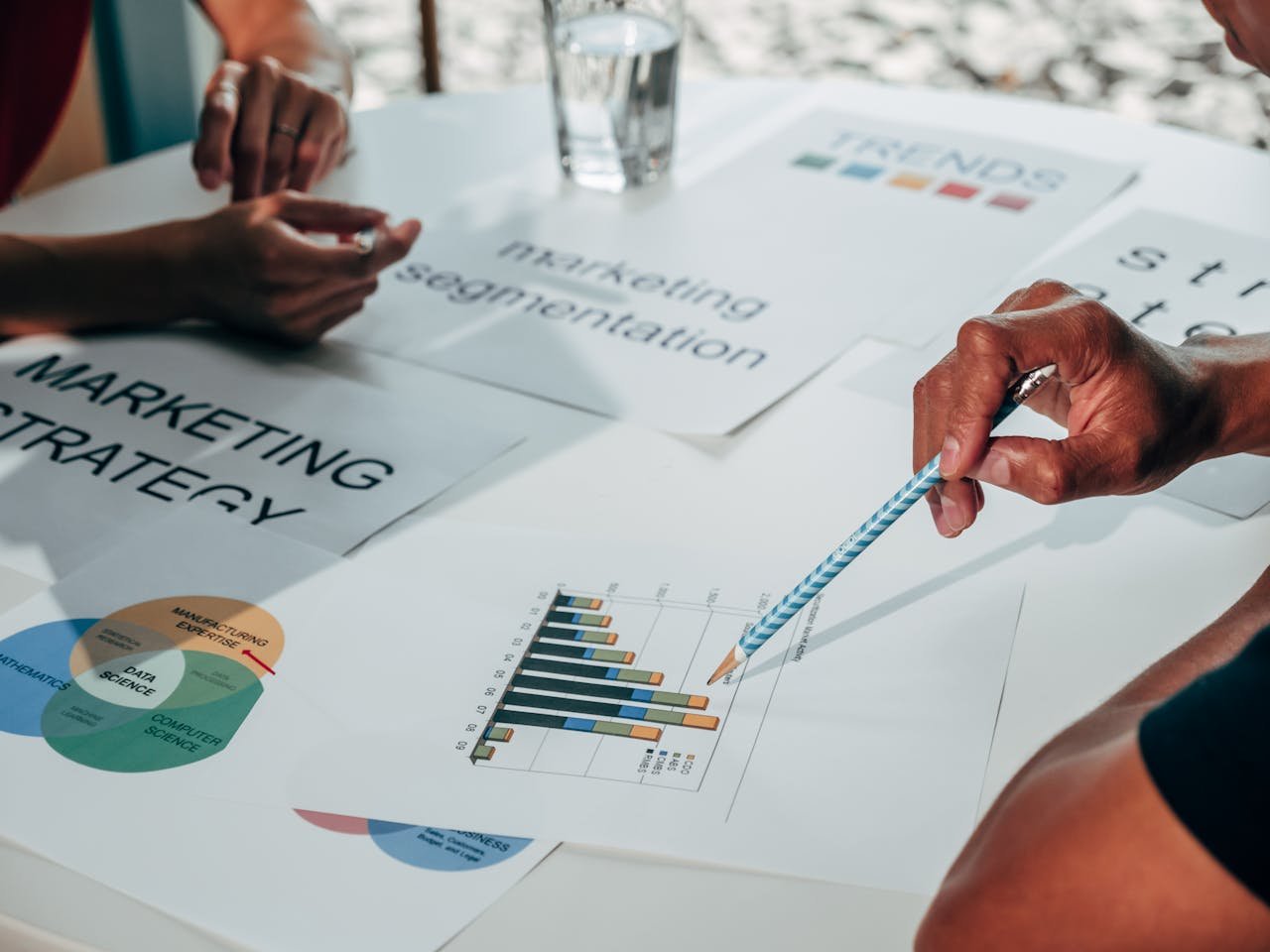
The call to action is clear: marketers must stop viewing AI as a distant future and start treating it as a present necessity. Begin with small steps experiment with personalization, invest in clean data, and integrate automation where it adds value. Balance machine intelligence with human authenticity, and commit to continuous testing and ethical responsibility. By doing so, you will not only improve efficiency and ROI but also create campaigns that resonate on a human level.
The future of marketing is not man versus machine it is man with machine. Those who embrace this partnership will be the ones who thrive, building brands that are smarter, more empathetic, and more connected than ever before.
The story of marketing has always been about connection finding ways to understand people and deliver value that feels personal. What’s changing now is the scale and precision with which this can be achieved. With an AI-driven marketing strategy, brands are no longer limited to broad campaigns or reactive tactics. Instead, they can personalize at scale, anticipate customer needs through predictive analytics, optimize campaigns in real time, and even enhance creativity with generative tools.
The examples of Amazon, Starbucks, Sephora, and BMW prove that this isn’t theory it’s reality. These companies are already using AI to transform customer engagement, drive loyalty, and achieve measurable business growth. Experts agree that the future of marketing lies in blending machine intelligence with human empathy, ensuring that campaigns are not only efficient but also authentic.
Yet, the path forward requires responsibility. Data privacy, algorithmic bias, and over-automation are challenges that cannot be ignored. Marketers who embrace transparency, fairness, and inclusivity will not only avoid risks but also build trust a currency more valuable than clicks or conversions.
So here’s the call to action: don’t wait for the future of marketing it’s already here. Start small, experiment with personalization, invest in clean data, and integrate AI where it adds value. Balance automation with authenticity, and commit to continuous testing and ethical responsibility. By doing so, you’ll not only improve ROI but also create campaigns that resonate on a human level.
The future of marketing is not about machines replacing humans it’s about humans and machines working together. Those who embrace this partnership will be the ones who thrive, building brands that are smarter, more empathetic, and more connected than ever before.