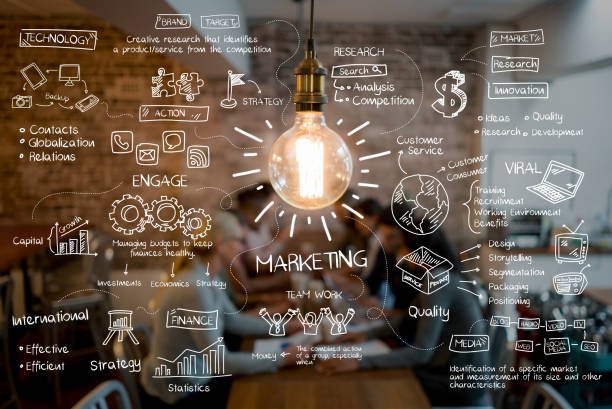
In today’s competitive business world, marketing is more than just advertising a product — it’s about creating a meaningful connection between a brand and its audience. Whether you’re promoting a new startup, managing an established company, or building your personal brand, marketing is what brings visibility, trust, and sales.
What Is Marketing?
Marketing is the process of promoting, selling, and distributing a product or service to meet customer needs. In simple terms, is how businesses communicate their value to potential customers. It includes understanding what people want, creating products that satisfy those needs, setting the right price, and using strategies to reach and engage customers effectively. IN short-Marketing is about delivering the right message, to the right audience, at the right time.
The Importance of Marketing
It plays a vital role in every business, no matter the size, industry, or target audience. It acts as the bridge between a company and its customers — helping people discover products, understand their value, and feel motivated to buy. Without marketing, even the best products or services might remain hidden from the people who need them most.
Here why marketing is so important for every business:
1.It Builds Brand Identity
Marketing shapes how people see your business. From your logo and tone of voice to your website and advertising style, marketing creates a consistent identity that sets you apart from competitors. Think of brands like Apple or Coca-Cola — their marketing has made them instantly recognizable worldwide.
2.It Creates Awareness
You can’t sell something people don’t know exists. spreads the word about your brand and what you offer. Whether through social media, advertising, or content, it puts your business in front of potential customers. For example, when a new smartphone launches, marketing campaigns make sure everyone hears about its unique features and why it’s worth buying.
3.It Drives Sales and Revenue
The ultimate goal is to generate sales. Through persuasive messaging, storytelling, and promotions, marketing turns interest into action. A well-executed campaign can turn a simple product into a must-have item.
4.It Builds Relationships and Loyalty
loyalty doesn’t stop after the first sale. It continues to engage customers through email newsletters, loyalty programs, and social media interactions. This ongoing connection helps build trust and loyalty, turning buyers into long-term supporters of the brand.
5.It Helps You Understand Your Customers
Marketing involves researching what your audience wants, how they think, and what motivates their decisions. These insights help businesses improve their products, pricing, and overall experience — ensuring they stay relevant and competitive.
6.It Gives You a Competitive Edge
In crowded markets, smart marketing is what helps a business stand out. Creative campaigns, unique branding, and personalized messages can capture attention and position your company ahead of competitors.
The Core Elements of Marketing (The 4Ps)
o truly understand marketing, you need to know the 4Ps — Product, Price, Place, and Promotion. These form the foundation of every marketing strategy.
1.Product-What are you offering to your customers?
Your product or service must solve a problem or fulfill a need. Think beyond features — focus on benefits.
2.Price-How much will you charge for your product?
Price affects how customers perceive your value. A premium price suggests high quality, while affordable pricing attracts budget-conscious buyers.
3.Place-Where will you sell your product?
This includes distribution channels — whether online, in stores, or both. In the digital age, e-commerce and social media have become powerful selling platforms.
4.Promotion-How will you reach your customers?
Promotion involves all your marketing communication methods — from social media campaigns and influencer marketing to advertising and content creation.
Types of Marketing
Digital isn’t one-size-fits-all. Businesses use different marketing types depending on their goals and audience. Here are some of the most popular forms:
Digital
Digital tool is one of the most powerful forms of modern marketing. It uses online platforms like search engines, websites, email, and social media to reach potential customers. Example A local restaurant might use Instagram to share photos of their dishes and run targeted ads to attract nearby customer.
Content
Content focuses on creating and sharing valuable, relevant content to attract and educate an audience — instead of directly selling to them. It builds trust and authority over time. Example A skincare brand could write blog posts about “how to care for oily skin” or “the benefits of natural ingredients.” Over time, readers trust their advice — and are more likely to buy their products.
Social Media
Social media tool uses platforms like Facebook, Instagram, TikTok, LinkedIn, YouTube, and Pinterest to connect with audiences. It’s perfect for increasing brand visibility, engaging followers, and driving website traffic. It allows businesses to share updates, respond to customers, and even sell directly through social media shops. Example:
Nike uses social media to inspire its audience with motivational posts, athlete stories, and product launches that spark engagement and brand loyalty.
Influencer
Influencer technique involves partnering with people who already have a loyal following online. These influencers promote your product to their audience in an authentic way. Because followers trust their opinions, influencer recommendations often feel more genuine than traditional ads. Example:
A fitness influencer promoting a protein shake or gym wear brand helps increase brand credibility and sales through real-world use and reviews.
Affiliate
Affiliate technique allows individuals or companies (called affiliates) to earn a commission for promoting another company’s products. It’s a performance-based strategy where affiliates only get paid when they bring in sales or leads. Example:
A blogger writing about “top laptops of 2025” might include affiliate links to Amazon. Every time a reader clicks and buys, the blogger earns a small commission.
Relationship
This type of technique focuses on building long-term relationships with customers rather than just aiming for one-time sales. It emphasizes customer satisfaction, loyalty, and trust. Businesses use follow-up messages, loyalty programs, and personalized experiences to retain customers. Example:
Starbucks’ rewards program encourages customers to keep coming back by offering points for every purchase that can be redeemed for free drinks or food.
Influencer & Viral (Modern Trend)
Viral marketing happens when content spreads rapidly online — usually through social media shares. It’s about creating something so engaging, funny, or emotional that people can’t help but share it. Example:
The “Share a Coke” campaign by Coca-Cola went viral because it personalized bottles with people’s names — turning a simple product into a social media trend.
Experiential
Also called “engagement tool,” this strategy invites customers to experience a brand in an interactive and memorable way. It’s all about participation. Example:
When IKEA set up a pop-up bedroom inside a subway station, it allowed people to test their products in a real-life environment — an unforgettable experience.
Event Marketing
Event technique involves promoting products or services through live or virtual events — like trade shows, product launches, or webinars. It’s a great way to connect with customers directly, demonstrate products, and create memorable brand experiences. Example:
Tech companies like Apple host product launch events to unveil new devices, creating huge buzz and media coverage every year.
Sure! Here’s a 180-word conclusion for your article titled “The Complete Guide to Understanding How Marketing Works”. It wraps up the key ideas naturally and in a professional blog tone — perfect for SEO and reader engagement.
Conclusion:
Marketing is more than just promoting a product — it’s the heartbeat of every successful business. It connects brands with their audience, creates awareness, builds trust, and turns interest into lasting relationships. Whether through digital channels, social media, or traditional methods, marketing ensures that the right message reaches the right people at the right time.
Understanding how marketing works helps businesses grow strategically. From market research to customer engagement, every step plays a role in creating value and loyalty. In today’s fast-changing world, effective marketing blends creativity with data — allowing brands to adapt, personalize, and stand out in competitive markets. Ultimately, marketing isn’t just about selling; it’s about storytelling, connection, and purpose. Businesses that invest in smart marketing don’t just gain customers — they build communities and inspire trust. When done right, marketing becomes the driving force that turns a simple product or service into a powerful brand that people truly love and remember.