- Introductions
- So, how do some brands manage to be unforgettable while others fade into the background?
- What Is Brand Positioning?
- Why Brand Positioning Matters
- Here’s why brand positioning is such a game-changer:
- The Core Ingredients of Brand Positioning
- How to Build a Strong Brand Positioning Strategy
- Examples of Brilliant Brand Positioning
- Common Brand Positioning Mistakes
- Final Thoughts: Own Your Space in the Market
Introductions
Let’s be real — standing out in business today isn’t easy. Customers are flooded with ads, social media posts, and endless brands all trying to grab their attention. Everyone’s shouting, but only a few get noticed.
So, how do some brands manage to be unforgettable while others fade into the background?
The answer is brand positioning — the secret ingredient behind every successful brand. It’s what helps people instantly recognize your name, trust your message, and connect with your story.
In this guide, we’ll unpack what brand positioning really means, why it matters so much, how to create one that actually works, and some famous examples of brands that mastered it.
What Is Brand Positioning?
In simple terms, brand positioning is the space your brand occupies in people’s minds. It’s how customers think and feel about you compared to your competitors.
It’s not about your logo, color scheme, or slogan — it’s the perception people hold when they hear your name.
Here’s an easy way to think about it:
Each of these brands owns one clear idea in our minds. That’s the power of good positioning — it creates a strong and lasting impression.
Why Brand Positioning Matters
Without clear positioning, your brand can easily get lost in the noise. You might have a great product, but if people don’t understand what makes you different, they’ll move on to someone else.
Here’s why brand positioning is such a game-changer:
1. It Builds Recognition and Trust
When your message is clear and consistent, people remember you. Over time, that recognition turns into trust, and trust becomes loyalty.
2. It Sets You Apart
In most markets, competitors sell similar things. Positioning is what highlights your unique advantage — whether it’s better service, quality, or a distinct personality.
3. It Shapes Your Marketing Message
Your positioning gives direction to everything you create — your content, ads, visuals, and even your tone of voice. It keeps your communication focused and powerful.
4. It Increases Perceived Value
A strong position can make your brand feel premium. People don’t just buy what you sell; they buy what it represents. That’s why customers happily pay more for an iPhone or a cup of Starbucks coffee — they believe in the experience behind it.
The Core Ingredients of Brand Positioning
Creating a memorable position takes planning and clarity. Here are the five key elements that make up strong brand positioning:
- Target Audience – Know who you’re talking to. When you try to reach everyone, you connect with no one.
- Market Category – Define your space. What industry or niche do you belong to? This helps people compare you correctly.
- Brand Promise – What’s the main benefit or value your brand delivers better than anyone else?
- Proof – Give people reasons to believe you. Show results, testimonials, or evidence that back up your promise.
- Brand Personality – How do you sound and behave? Are you bold and daring, friendly and approachable, or sophisticated and elegant? Your personality helps people connect emotionally.
How to Build a Strong Brand Positioning Strategy
Let’s walk through the steps of creating a positioning strategy that helps your brand shine.
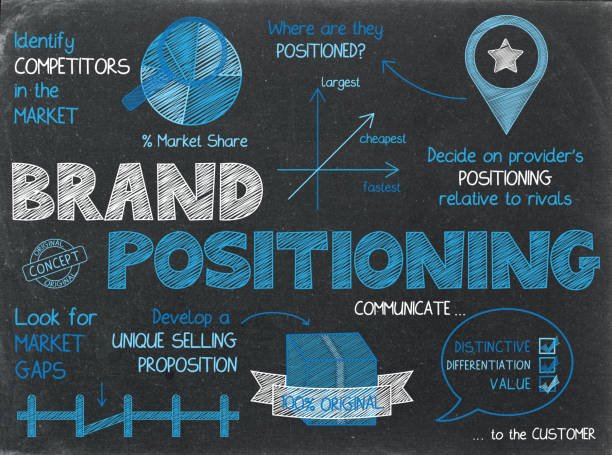
1. Study the Market
Start by analyzing your competitors. What messages do they use? What do customers say about them?
Look for opportunities — gaps they’ve missed or needs they haven’t addressed. That’s where your brand can stand out.
For example, before Dove changed its approach, most beauty brands focused on perfection. Dove flipped the story by celebrating real beauty — and instantly became more relatable.
2. Define Your Unique Value
Your Unique Value Proposition (UVP) is what makes you different and valuable. It’s your clear answer to the question:
A great UVP should be simple, bold, and customer-focused.
Example:
Domino’s Pizza built its brand around one promise — “Hot pizza delivered in 30 minutes or it’s free.”
That single idea made them stand out from every other pizza chain.
3. Decide What You Want to Be Known For
Every strong brand owns one specific idea. What do you want people to instantly think or feel when they hear your name?
Some examples:
- Coca-Cola → Happiness and togetherness
- Tesla → Innovation and sustainability
- Starbucks → Comfort and connection
- Nike → Motivation and self-belief
Once you decide what you want to be known for, make sure that idea shines through everything you do.
4. Write a Clear Positioning Statement
Your brand positioning statement isn’t meant for ads — it’s for internal clarity. It helps your team stay focused on what your brand stands for.
Example Amazon-For busy online shoppers, Amazon is the go-to e-commerce platform that delivers convenience and fast shipping thanks to its vast selection and advanced delivery system.
This type of statement keeps your message focused and consistent across all channels.
Once you know who you are, show it — in your website, emails, social media, packaging, and even customer service.
Positioning isn’t just words on a page. It’s how you act, sound, and make people feel.
Consistency builds recognition, and recognition builds loyalty.
Examples of Brilliant Brand Positioning
Apple – Simple, Elegant, and Innovative
Apple’s brand isn’t about phones or laptops — it’s about creativity and simplicity. Their designs are minimal, their ads are emotional, and their message is always consistent: Think Different.
They sell innovation and experience, not just tech.
Nike – Empowerment and Confidence
Nike doesn’t just sell sportswear; it sells motivation.
Its famous line — “Just Do It” — inspires people to push beyond their limits. Whether you’re an athlete or just starting your fitness journey, Nike’s message makes you believe you can do it.
Tesla – Innovation with Purpose
Tesla’s positioning revolves around cutting-edge technology and a greener future. It’s not just a car brand — it’s a movement toward sustainability and progress.
This clear mission attracts forward-thinking customers who care about the planet and performance
Dove – Real Beauty and Confidence
Dove changed the beauty industry by focusing on authenticity. Their “Real Beauty” campaign featured real women instead of models, sending a message that beauty isn’t about perfection — it’s about confidence.
That emotional approach made Dove stand out and win trust worldwide.
Starbucks – Comfort and Community
Starbucks created the idea of a “third place” — a cozy space between home and work where you can relax, connect, or focus.
That emotional positioning turned a regular coffee shop into a global community hub.
Coca-Cola – Happiness and Togetherness
Coca-Cola has been telling the same story for decades — joy, friendship, and shared moments. Their marketing focuses less on the drink itself and more on how it brings people together. That emotional connection keeps them timeless.
Common Brand Positioning Mistakes
Even big companies make mistakes when defining their position. Here’s what to avoid:
- Being Too Generic – Don’t say, “We sell quality products.” Everyone says that. Be specific about why your brand is special.
- Copying Competitors – Standing out means being authentic. If you sound like everyone else, people won’t remember you.
- Inconsistent Messaging – Don’t say one thing in ads and another on your website. Consistency builds credibility.
- Ignoring Customer Perception – What matters most is not what you say, but what customers believe. Listen to feedback and adapt.
Final Thoughts: Own Your Space in the Market
At the end of the day, brand positioning is about clarity — knowing exactly who you are and why you matter.
When people can describe your brand in one simple, positive sentence, that’s when you’ve truly positioned yourself well.
It’s not about being the loudest or the biggest — it’s about being the most understood.
If you can clearly express what makes your brand valuable, and consistently deliver on that promise, your audience will not only remember you — they’ll stick with you.
So, take a step back and ask yourself:
1.What’s the first thing I want people to think of when they hear my brand’s name?
2.What emotion do I want them to feel?
3.And am I communicating that message in everything I do?
When you can answer those questions confidently, your brand doesn’t have to fight for attention. It earns it — naturally.